
Atrial Fibrillation – Is it a result of chronic nutrient deficiency and mitochondrial damage? Understanding AFib Through a Metabolic Lens by Roger Trubey, DrPH, ND
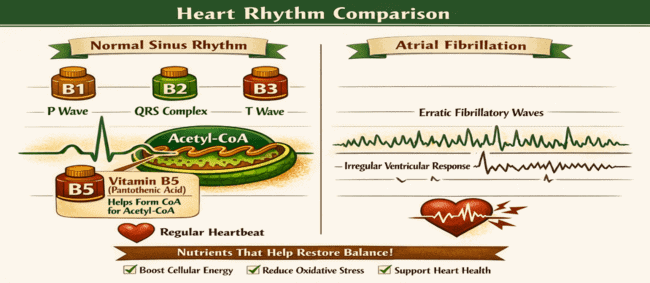
Atrial Fibrillation (AFib) is an irregular heart rhythm that originates in the heart’s upper chambers (atria). It can cause symptoms such as fatigue, Heart palpitations, shortness of breath, even panic episodes and dizziness. Risk factors such as hypertension, heart disease, and obesity may be involved but AFib can occur in individuals without any of the common risk factors.
During AFib the atria beat chaotically and often out of sync with the lower chambers (ventricles), which can reduce the heart’s efficiency. Standard treatment options may include medications, surgical procedures (i.e. ablation), and lifestyle changes. Any of which are designed to restore normal heart rhythm.
Atrial Fibrillation is the most common heart rhythm disorder and is far more prevalent than many people realize. It is in fact a very serious problem. Untreated atrial fibrillation can lead to stroke, heart failure and endless fatigue.
Overall prevalence:
- In the U.S., Atrial Fibrillation or AFib, affects about 1 in 22 adults (roughly 4.48% of the population) NHLBI, NIH. It is a problem particularly affecting senior citizens – especially over the age of 65 with a significant increase in those over 80.
- Earlier estimates from over 20 years ago suggested only about 1 in 33 adults had AFib, but new national data show it’s at least three times more common than previously thought UC San Francisco+1.
- Updated research from UC San Francisco and the NHLBI estimates at least 10.55 million Americans have AFib UC San Francisco+1
According to WebMD some factors that put one at risk for Afib include:
- Family history. Up to 30% of people with the condition have a relative with it, too.
- Sex. AFib generally affects more men than women. But after age 75, 60% of people with AFib are women. Women over age 75 may be more at risk for blood clots and have greater challenges with treatment. That’s because some drugs can trigger atrial fibrillation.
- High blood pressure. Long-term, uncontrolled high blood pressure puts you at higher risk. One in six cases of atrial fibrillation have been caused by high blood pressure.
- Ancestry. People of European heritage are more likely to have AFib than are African Americans, Asians, and Hispanics. But African Americans are more likely to die from it.
- Age. The risk of atrial fibrillation for both men and women goes up with age. This could be because the heart is exposed to more risk factors over time. Over the years, electrical and structural changes – such as thickening of the heart wall – make it harder for blood to flow. (I believe there are far more critical reasons to be discussed below in this document)
- Heart surgery. Atrial fibrillation is the most common complication after heart surgery. It occurs in 15% to 40% of patients, usually shortly after surgery.
- Heart disease. People with any heart related issue could be at risk including those with a heart attack history
- Obesity. Weight loss can help ease symptoms, how severe the disease is, blood volume in the heart, and reduce some thickness of the heart wall.
- Binge drinking. Having more than five drinks in 2 hours for men, or four drinks in 2 hours for women, ups your risk.
- Sleep apnea. In this sleep disorder, breathing repeatedly stops during the night for various reasons. Studies have shown a strong link between sleep apnea and AFib, although it is not a proven cause.
- Other medical conditions. Thyroid problems, diabetes, and asthma can also trigger AFib.
Many people with AFib want to understand what’s happening inside their bodies and whether lifestyle or nutritional choices can support or affect their heart health. One area that’s getting more attention is the role of the heart’s energy/electrical system — the mitochondria.
Mitochondria are tiny structures inside every cell. Their job is to turn food into energy the body can use. Because the heart beats 24/7, it needs a huge amount of energy, and healthy mitochondria help keep the heart’s electrical system steady.
A mitochondria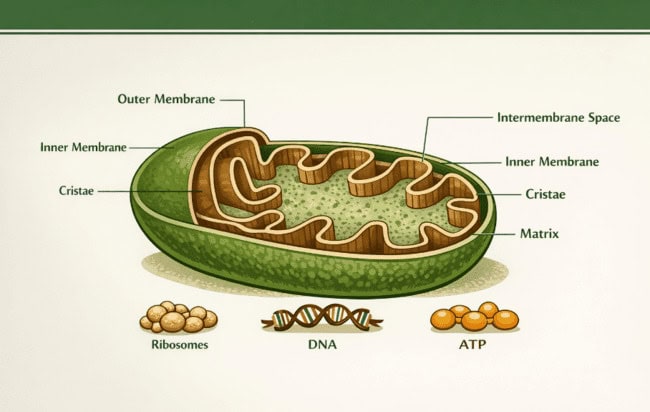
This article explains the connection between mitochondrial function or dysfunction and atrial stability.
Atrial fibrillation (AFib) is traditionally viewed as an electrical rhythm problem, but modern research shows it is also deeply connected to mitochondrial function, cellular energy balance, and nutritional physiology. The atria are among the most energy dependent tissues in the body, and their electrical stability depends on efficient ATP production, low oxidative stress, and tightly regulated calcium cycling and adequate supply of critical nutrients.
The mitochondria take the food we eat, drive food nutrients through the Citric Acid Cycle to supply the energy for nearly every cell in your body, enabling each cell, tissue and organ to function properly. When mitochondrial function falters in the heart, the atrial tissue in the top part of the heart where AFib takes place, becomes more vulnerable to triggered activity and electrical dysfunction. AFib itself can further damage mitochondria, creating a self-reinforcing cycle.
So AFib is not only a consequence of mitochondrial dysfunction but it will also drive it and perpetuate it. This happens because of the following:
- Very excessive electrical activation – excess ROS produced which destabilizes the electron transport chain
- Oxidative stress (ROS) damages the mitochondrial membranes and mitochondrial DNA
- ATP depletiondue to too much sodium and calcium getting into the cell
- Afib Mitochondrial dysfunction electrical instability More AFib
Research shows that mitochondrial dysfunction is strongly implicated in AFib, especially through oxidative stress, impaired ATP production, and abnormal calcium handling.
ATP (Adenosine Triphosphate)::
- Determines your cell’s ability to repair and regenerate, detoxify and clear toxins
- Supports your immune systems response to infections
- Powers normal brain function and prevents brain fog
- Essential for the heart and its atria to function normally, preventing the development of AFib
Here is what we know
- AFib is associated with mitochondrial dysfunction, especially excess Reactive Oxygen Species (ROS) and impaired energy production. (ROS are very reactive chemicals produced as a result of normal mitochondrial activity. Think of it like the byproduct exhaust from the tail pipe from your car as the engine is operating)
- Mitochondrial health influences ion channel stability, calcium cycling, and electrical remodeling, all of which contribute to AFib. (Ion channels are specialized proteins that form pores in cell membranes, allowing specific ions (atoms or molecules that carry a net electrical charge) to pass in and out of cells, playing crucial roles in various physiological processes).
- Electrons carry the current ln our homes and drive engines, machines and lights. Likewise, electrons in the mitochondria’s Citric Acid Cycle and the electron transport chain, when working properly, drive the energy for our cells to function
- Improving mitochondrial function may reduce AFib burden, although this is still an emerging therapeutic concept.
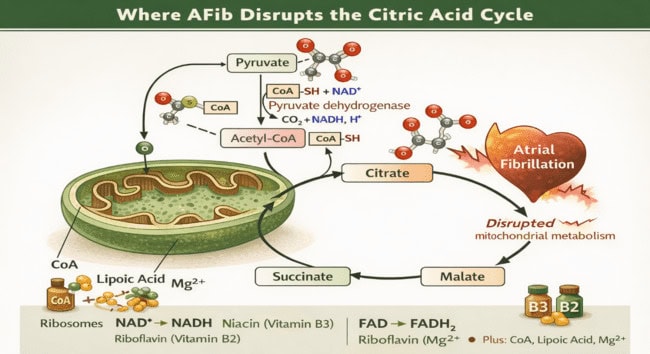
Nutrient Cofactors Required for Mitochondrial Function
Mitochondria are very much dependent on a network of micronutrients to produce ATP, regulate redox balance and maintain ion and electrical stability. Deficiencies of several of these, could possibly predispose one to having an unstable mitochondrial electrical function, increasing the risk for AFib.
Mechanisms by which NAD+ could reduce AFib susceptibility
One particular nutrient, NAD⁺, is absolutely critical to these pathways and mitochondrial function is greatly reduced when it is at insufficient levels. NAD+, you might wish to know, is short for Nicotinamide Adenine Dinucleotide
Improves mitochondrial ATP production
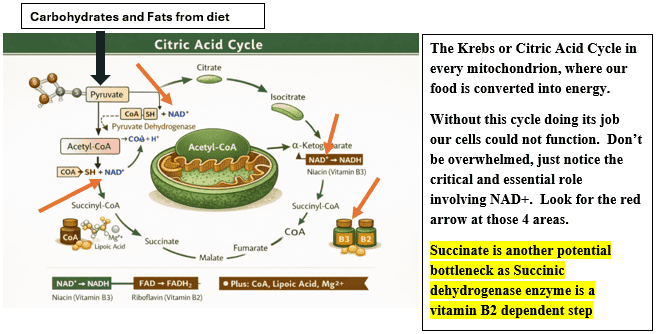
NAD+ is a vital coenzyme in every living cell that drives mitochondrial energy production, DNA repair, and cellular metabolism. NAD+ is considered the bioactive form of vitamin B3 or niacin, because vitamin B3 is converted to NAD+ in the body. So, your body takes niacin or niacinamide and converts it to NAD+ and that is what your body must do to use niacin from your food or supplements
NAD+ (from niacin or niacinamide) is required
for the following: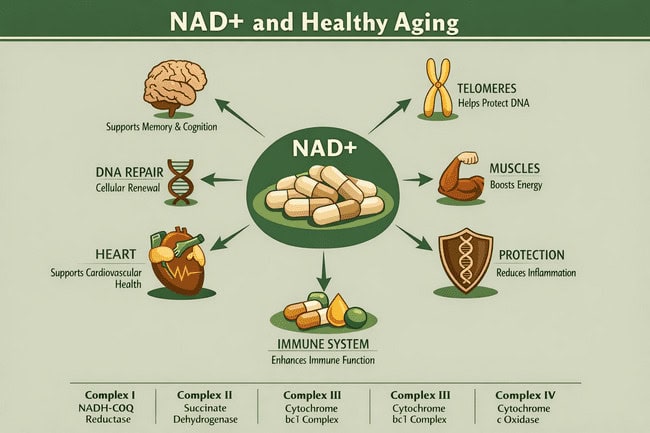
- Citric Acid Cycle activity (see
diagram below)
- Ion channel stability, correct
- electrical
conductivity and functioning
- Electron transport chain function
and ATP generation
- Improving mitochondrial function
may reduce AFib
burden, although this is still an
emerging therapeutic concept
The cells in the Atrium (the “A” in AFib and located in the upper chambers of the heart) have extremely high energy demands. When ATP production is insufficient, calcium handling becomes unstable, which promotes the generation of abnormal electrical impulses from sites outside the heart’s normal pacemaker, which can trigger premature heartbeats or arrhythmias. But when the Atrium is provided adequate NAD+ for ATP production, this…
- Reduces excessive mitochondrial ROS
- Low NAD+ impairs the cells ability to neutralize ROS, the normal exhaust the cell produces when functioning. The trash builds up just as it would do in our homes if the trash we produce were not removed to the trash bin
- Supports Sirtuin activity –
- These are a family of enzymes that play a very important role in mitochondrial biogenesis, circadian rhythm, DNA repair, healthy aging, inflammation reduction and healthy brain function. But these enzymes are completely dependent on NAD+. They can only function with adequate NAD+
- In regard to AFib, these enzymes with the help of NAD= stabilize cardiac electrophysiology
- Improves Calcium handling by protecting against calcium overload in the cell
- Reducing Inflammation
- Mitochondrial dysfunction and damage to cell membranes releases mitochondria DNA which triggers inflammation and promotes AFib. Thus, protecting against inflammation from damaging cytokines by NAD+ is essential to the health of all mitochondria
What the evidence does not show
- No clinical trials demonstrate that NAD⁺ supplementation reduces AFib episodes.
- No cardiology guidelines recommend NAD⁺ for arrhythmia prevention.
- Most evidence is mechanistic, based on cell and animal models.
So, the idea is biologically plausible but not clinically validated – we have to admit that no clinical studies have been done to prove the role of NAD+ in protecting against the development of AFib or its continuation
But it should also be noted that NAD+ declines rather significantly with ageing, and it is in the middle to late stages of life when we see most cases of AFib developing.
Indeed: Human and animal studies show that tissue and plasma NAD⁺ levels drop with advancing age—on the order of ~50–60% from early to late adulthood in some reports.
- This decline is linked to:
- Increased activity of NAD⁺consuming enzymes (like CD38, PARPs, sirtuins)
- Mitochondrial dysfunction and oxidative stress
- Chronic lowgrade inflammation (“inflammaging”) Infections
- Age-related decline
In the heart, lower NAD⁺ means less efficient mitochondrial ATP production, more oxidative stress, and impaired stressresponse signaling, conditions that make atrial tissue more vulnerable to electrical instability.
How supplementation affects cardiac tissue (in studies
Nicotinamide mononucleotide (NMN) and nicotinamide riboside (NR) or simply niacinamide are all NAD⁺ precursors—basically upstream molecules your body can convert into NAD⁺.
What preclinical cardiac studies show
- Restoring NAD⁺ improves mitochondrial function. In animal models, boosting NAD⁺ with precursors:
- Enhances mitochondrial respiration and ATP production
- Reduces reactive oxygen species (ROS)
- Improves cardiac energetics and contractile function
- Protection in cardiac stress models. NMN/NR/Niacinamide supplementation has shown:
- Reduced damage in ischemia–reperfusion injury
- Improved function in heart failure and cardiomyopathy models
- Better endothelial function and vascular health
So, at the level of mechanism at least, NAD⁺ boosters seem to:
- Stabilize mitochondrial energy supply
- Lower oxidative stress
- Support sirtuin activity (SIRT1, SIRT3). All of which are important for cardiac resilience
What human data show (so far)
- Human trials of NR/NMN/niacinamide show they raise NAD⁺ levels and can improve some metabolic and vascular markers, but:
- Data is still early
- Trials are small and short
- They are not AFibspecific
There are no robust clinical trials yet showing that Niacinamide, NR or NMN reduce AFib burden—the link is rationalistic and promising but not proven.
Other Nutrient Cofactors Required for Mitochondrial Function
It is important to realize that there are multiple other nutrients that also play an essential role in the proper function of the mitochondria and the citric acid cycle, all of which are critical for the very high nutrient demands of the atrium of the heart. We can see them as nutrients that are critical and nutrients that are supportive.
First, I list the nutrients, along with NAD+, that are absolutely essential to mitochondria energy production and therefore to the stability of electrically active tissues like the atria. Each one supports a different, nonredundant step in oxidative metabolism, and deficiencies in any of them can impair ATP generation or increase oxidative stress. That matters because as I mentioned previously, atrial tissue is metabolically demanding and highly sensitive to mitochondrial dysfunction.
Thiamine and the pyruvate dehydrogenase complex
Thiamine (vitamin B1) is required to form thiamine pyrophosphate (TPP). the essential cofactor for the pyruvate dehydrogenase (PDH) enzyme complex. PDH is the gatekeeper (along with another enzyme, acetyl-CoA) to the entrance of the mitochondria energy cycle that takes our food and converts it to ATP energy
Without adequate thiamine:
- PDH slows, reducing acetylCoA supply
- ATP production falls
- Mitochondrial redox balance shifts
- electrical activity destabilizes
Riboflavin and Complex II of the electron transport chain (see diagram below)
Riboflavin (vitamin B2) is the precursor for FAD and FMN (coenzymes derived from riboflavin and how the body actually needs and uses Vitamin B2), which are required for multiple mitochondrial enzymes. The electron transport chain comes directly off of the Citric Acid Cycle
Most importantly:
- Complex II requires FAD
- Complex II feeds electrons directly into the electron transport chain which produces ATP
- Riboflavin deficiency reduces electron flow and ATP output
- Because Complex II is the only enzyme that participates in both the TCA energy cycle and the ETC, riboflavin deficiency can create a bottleneck in energy production.
ATPATPATPATPElectron Transport Chain of the MitochondriaElectron Transport Chain of the MitochondriaElectron Transport Chain of the MitochondriaElectron Transport Chain of the Mitochondria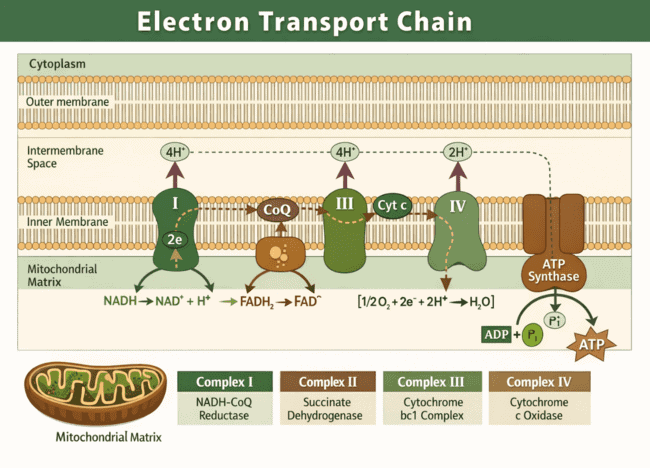
CoQ10 and electron transport
Coenzyme Q10 (ubiquinone) is the mobile electron carrier between Complex I/II and Complex III(Complexes I-IV are found in the electron transport chain). The electron transport chain is a series of protein complexes and electron carriers in the inner mitochondrial membrane that transfer electrons to create ATP energy for the cell
Without adequate CoQ10:
- Electron transport slows significantly
- ROS production increases
- ATP synthesis declines
CoQ10 is especially important in highenergy tissues like the heart. While not a vitamin, its role is analogous: it is a required cofactor for efficient oxidative phosphorylation, the process that produces ATP
CoQ10 is what often gets blocked along with cholesterol when statin drug medications are being used. When this happens fatigue and muscle pain may occur – due to reduced mitochondrial function.
Magnesium and ATP stability
Magnesium is not just “associated” with ATP —ATP is biologically active only as MgATP. Magnesium is required for:
- Stabilizing ATP’s phosphate groups
- The function of ATPdependent ion pumps (Na⁺/K⁺ATPase, SERCA)
- Mitochondrial ATP synthase activity
- Regulation of calcium channels
Low magnesium can impair ATP utilization even if ATP is present, low magnesium can destabilize cardiac tissue electrical stability.
Potassium in cardiac electrophysiology
Potassium is absolutely involved, and in a much deeper way than most people realize. It’s not just an electrolyte for heart rhythm — it’s a core player in mitochondrial function, ATP production, and electrical stability of atrial tissue.
Potassium matters in three major ways – electrophysiology, mitochondrial energetics, and arrhythmia vulnerability.
- Potassium dysfunction can provoke arrhythmias, including atrial fibrillation and ectopy.
- Even mild potassium deficiency can destabilize atrial tissue. When potassium drops too low, that electrical system becomes unstable. Heart rhythm problems, dangerous arrhythmias, and increased risk of heart failure can all follow.
- Mitochondria contain ATPsensitive and calciumsensitive potassium channels. When potassium enters the mitochondrial matrix, it influences:
- Membrane potential
- ROS generation
- Volume regulation
- Electron transport efficiency
- ATP inside cells exists almost entirely as Mg ATP, but potassium is required to maintain the intracellular environment that stabilizes ATP-dependent pumps.
- potassium channel dysfunction, whether genetic, acquired, or metabolic, is central to the development of arrhythmia – both AFib and PVCs
- NOTE: the major source of potassium in our diets is from fruits and vegetables, foods commonly consumed in inadequate amounts by the average American
Pantothenic acid (Vitamin B5)
Vitamin B5 is required to synthesize Coenzyme A, which is essential for:
- AcetylCoA formation –
- Acetyl CoA is the entry point into the Citric Acid cycle, the gateway enzyme into the cycle that processes our food into energy
- Fattyacid oxidation – or digestion
Here are the Support Nutrients (needed for protection and efficiency)
Pyridoxine (Vitamin B6) supports
- Aminoacid metabolism
- Transamination reactions that feed the TCA cycle
- Neurotransmitter balance, which can influence autonomic tone
It’s not as central as thiamine or riboflavin, but it supports metabolic flexibility.
🧲 Iron
Iron is required for:
- Complex I, II, and III iron–sulfur clusters
- Cytochromes in Complex III and IV
- Oxygen transport
- Low iron can impair electron transport and reduce ATP output. Can you see why low iron (anemia) can make one fatigued?
Lipoic acid
Lipoic acid is a cofactor for:
- Pyruvate dehydrogenase
- αketoglutarate dehydrogenase
It works alongside thiamine and magnesium in oxidative decarboxylation.
Carnitine
Carnitine transports longchain fatty acids into mitochondria for βoxidation. Atrial tissue uses both glucose and fatty acids, so impaired fattyacid transport can reduce ATP availability.
Selenium
Required for glutathione peroxidase, a major mitochondrial antioxidant enzyme. Also critical in thyroid protection
Zinc
Supports superoxide dismutase (SOD) and stabilizes protein structure. SOD is one of those Anti-aging enzymes
Vitamin C and Vitamin E
Work together to reduce oxidative stress, which is strongly linked to atrial remodeling.
Nutrients that influence ion handling and electrical stability
Calcium
Not for supplementation unless medically indicated, but calcium balance is essential for:
- Mitochondrial calcium buffering
- SR calcium cycling
- Action potential stability
Sodium
Intracellular sodium affects calcium handling through the Na⁺/Ca²⁺ exchanger. Low potassium or low magnesium can indirectly raise intracellular sodium. But too much sodium inside the cell is not good.
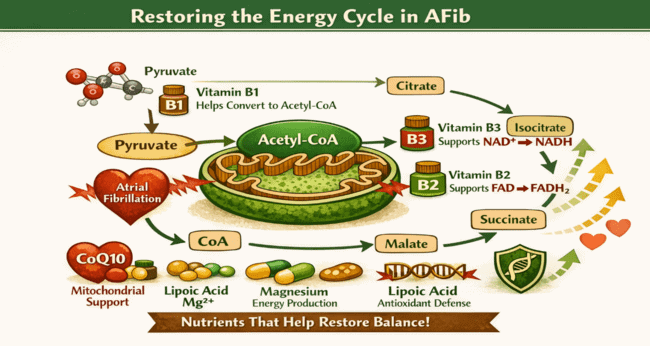
Let me reinforce a point I made earlier. Atrial fibrillation creates a selfreinforcing loop of mitochondrial injury, and the medical literature makes that clear: Once AF begins, the abnormal electrical activity feeds back into the mitochondria and progressively worsens their function. That mitochondrial decline then makes the atria even more vulnerable to sustaining AFib.
Thus “AFib begets AFib” cycle is strongly supported by the evidence in medical journals, especially the MDPI review (MDPI is a Swiss-based publisher of over 390 peer-reviewed, open-access journals) and a Springer Basic Research in Cardiology article.
So, the point being is that unless the foundation problem is corrected the potential is for AFib when it begins, is to only get worse over time unless intervention via meds or ablation takes place – or the root, underlying cause is corrected.
My Story
On a personal note, let me share my experience with AFib and what happened using this approach. AFib was something my dad had to deal with for a time and my sister as well. So, genetics could play a significant role as well.
My AFib had been episodic with periods of nearly daily experiences followed by breaks of a few days to a week or more for three years. Some periods were nearly daily encounters that would last a few minutes to several hours. The longest I think was 14 -15 hours – no fun believe me. These episodes could be triggered by yawing, singing, a deep breath, laughing, coughing, emotional feelings, getting out of breath, occasionally just going for a walk and at times even rolling over in bed. Sometimes they would begin with none of these – just sitting at my desk.
I just intuitively believed that there had to be an answer and the answer had to be a nutritional deficiency. But for months I figured the deficiency must be magnesium and potassium. But taking very adequate levels of magnesium and eating plenty of fruits and vegetables for potassium, never did make sufficient change in AFib episodes.
I kept praying for an answer that God would direct me to the root issues which would not only help me but perhaps might also be of help to others as well. After incorporating these nutrients more aggressively as supplements and food sources for over 5 months I have had Zero episodes for 5 months – none, not one. And now well into my 6th month. So, every morning I thank God for a night without arrhythmia and every night when I lay my head on my pillow, I also thank Him for a day without arrhythmia.
Now please understand I don’t have a direct line to heaven where God revealed this or anything else to me. I am just using science sources that are readily available. And I also realize that some individuals have had long periods, many months in fact, with no episodes and who had no idea of any of the above that I have written. There are no human or animal studies on the above information that proves it to be something that will work on a majority of Afibbers.
But as we peer through this nutritional and metabolic lens at the inner workings of the mitochondria and how technically it could very well be the reason for the development and maintenance of AFib, it does look promising but not proven, as there are no human trials to verify. But my guess is that there never will be either. As long as drugs or surgery are available there is no need for conventional medicine to consider the nutritional roots of this problem.
But if corrected with a drug or surgery (and I have had several individuals tell me of experiencing little relief from the meds and having two or three ablations) are there some other tissues or organs that might also need the nutritional support of these nutrients and will be less healthy without them? I think that is possible as I have found my nightly muscle cramps almost completely eliminated during these same 5 months as well. They were not taking place every night, but frequently it became very bothersome and promoted sleep loss. There are indications that a lack of several of these nutrients, particularly NAD+, is also linked to an array of conditions, such as sarcopenia and diabetes.
Now for some other consideration:
Where Progesterone Fits into AFib Physiology
Progesterone is often overlooked in discussions about AFib, but it has several biological effects that intersect with atrial stability.
Progesterone’s physiological actions relevant to the heart
Progesterone influences:
- Ion channels (including calcium and potassium currents)
- Autonomic balance
- Vascular tone
- Inflammation and oxidative stress
- Mitochondrial function in some tissues
❤️ Potential ways progesterone may relate to AFib
While research is still developing, several mechanisms are being explored:
1. Electrophysiology
Progesterone may:
- Slightly lengthens action potential duration
- Influence calcium handling
- Modulate autonomic tone indirectly
“Progesterone increases the heart’s pumping efficiency, and estrogen is antagonistic, and can produce cardiac arrhythmia.” Ray Peat, PhD.
These effects could theoretically influence atrial stability, but evidence is not yet conclusive.
2. Sex differences in AFib
Women have:
- Lower AFib prevalence before menopause – when generally more progesterone is present
- More fibrosisrelated AFib after menopause as progesterone decreases
- Different autonomic patterns
Hormonal influences — including progesterone — are part of the broader picture of sexspecific AFib physiology. Both men and women may likely benefit from supplemental progesterone
3. Progesterone receptors in cardiovascular tissue
Progesterone receptors exist in:
- Cardiac myocytes
- Vascular tissue
- Autonomic centers
This means progesterone can exert genomic and nongenomic effects, some of which may influence cardiac function. Progesterone counteracts excess estrogen, promotes healthy metabolism, lowers any excessive cortisol. High Cortisol Speeds Aging and not only of the heart but all other organs as well.
🧩 What’s still unclear
- Whether progesterone directly reduces AFib risk
- Whether progesterone supplementation influences AFib outcomes
- How progesterone interacts with mitochondrial remodeling in atrial cells
Current evidence does not show a clear causal relationship between progesterone levels and AFib incidence, but the physiology suggests it may play a modulatory role within a larger hormonal network. And as some practitioners suggest, both men and women may benefit from supplemental progesterone. Especially women after menopause
Reduced testosterone:J Cardiovasc <br>Electrophysiol. 2009 Sep;20(9):1055-60.<br>Deficiency of testosterone associates with the substrate of atrial fibrillation in the rat model.<br>Tsuneda T, Yamashita T, Kato T, Sekiguchi A, Sagara K, Sawada H, Aizawa T, Fu LT, Fujiki A, Inoue H.<br>“These results would explain, at least in part, the increase in the prevalence of AF in accordance with the decline of testosterone particularly in elderly men.”
Reduced DHEA:
Eur J Prev Cardiol. 2012 Nov 14. [Epub ahead of print]<br>Dehydroepiandrosterone sulfate levels and risk of atrial fibrillation: The Rotterdam Study.<br>Krijthe BP, de Jong FH, Hofman A, Franco OH, Witteman JC, Stricker BH, Heeringa J
Subjects in the highest DHEAS quartile had an almost three times lower risk of atrial fibrillation during follow-up, compared to those in the lowest DHEAS quartile (HR: 0.34, 95% CI: 0.18-0.64) adjusted for age, sex and cardiovascular risk factors. Conclusion: DHEAS can be regarded as an important indicator of future atrial fibrillation in both men and women, independent of known cardiovascular risk factors.
nattokinase or lumbrokinase
Atrial fibrillation is a rhythm problem, not a clotting problem — but clotting becomes a concern because the irregular rhythm can let blood pool in the heart. Enzymes like nattokinase or lumbrokinase help the body break down fibrin, which is part of the clotting process. These enzymes support healthy circulation and vascular health in general, but they do not prevent AFib from starting because AFib begins with changes in the heart’s electrical system, structure, and mitochondrial energy balance. However, while clot development may not be the cause, it may be a downstream effect of AFib. These enzymes may help support overall cardiovascular health and lessen the development of clot formation, but they don’t stop the rhythm problem from developing. I have outlined the possible steps above
A Balanced Perspective
Nutritional and lifestyle approaches can be valuable parts of a wholeperson strategy for heart health. However, AFib carries real medical risks, including stroke and heart failure. Nutritional support should never replace appropriate medical evaluation or monitoring.
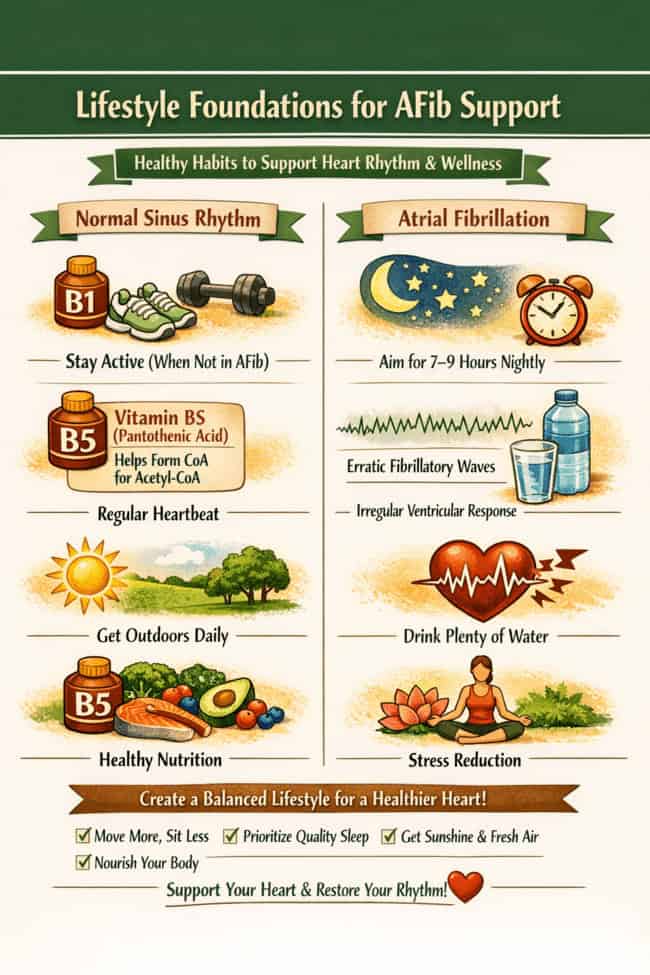
Now to emphasize the importance of your choice of food on the mitochondria and AFib
How Food Choices Influence Your Mitochondria — and Why That Matters for AFib
Nutrition is one of the most powerful — and often overlooked — ways to support mitochondrial health and reduce the metabolic stress that can contribute to AFib. As Dr. Joseph Mercola emphasizes, the food we choose every day directly influences how efficiently our mitochondria produce energy and manage oxidative stress.
Why Food Matters for Mitochondria
Your mitochondria depend on a steady supply of nutrients and clean fuel. When the diet is high in processed foods, sugary foods, and industrial seed oils, the mitochondria become overloaded, less efficient, and more prone to producing damaging free radicals. Over time, this can weaken cellular energy production and increase inflammation — two factors that can worsen overall cardiac stress.
Your mitochondria — the tiny energy factories inside your cells — can burn only one type of fuel at a time: either fat or glucose. Think of this like a railroad switch: the train can go down only one track. This “fuel switch” is known as the Randle Cycle, and the foods you eat determine which track your mitochondria are forced onto.
When Fat Intake Is Too High
If you eat more fat than your mitochondria can comfortably handle (especially above ~30% of calories), something important happens:
- The enzyme PDH (pyruvate dehydrogenase), which normally converts glucose into acetylCoA for clean burning inside the mitochondria, becomes blocked.
- When PDH is inhibited, glucose can’t enter the mitochondria.
- Instead of being burned for energy, glucose gets diverted into lactate, and blood sugar begins to rise.
- This shift slows metabolism, increases weight gain, and reduces your ability to make efficient cellular energy — including in the atrial cells of the heart, where energy is essential for stable rhythm
- Glucose from carbohydrates and proteins is the preferred fuel for mitochondrial function
This metabolic “traffic jam” may contribute to conditions like diabetes and may also play a role in the development or worsening of AFib.
Why Glucose Burning Is So Efficient
When your mitochondria are able to burn glucose properly:
- They produce 36–38 ATP per molecule — a very high energy yield.
- They generate only 0.1% reactive oxygen species (ROS) — extremely low oxidative stress.
- Energy production is smooth, clean, and efficient.
But this only happens when PDH is active and the mitochondria are not overloaded with fat.
What Happens When Fat Burning Dominates
When your cells are pushed into burning mostly fat:
- The NAD⁺/NADH ratio drops, which further suppresses PDH.
- Pyruvate and lactic acid begin to accumulate.
- Blood sugar rises because glucose can’t enter the mitochondria
- Vitamin B2 (riboflavin) gets used up quickly, weakening Complex II of the electron transport chain.
- This sets the stage for reverse electron flow, also called reductive stress — a state where electrons back up and create a surge of ROS (like exhaust from an engine running too rich).
- Only 2-4 ATP produced per molecule – and extremely low yield.
- The amount of ROS or damaging exhaust produced with excessive fat consumption is 30 – 40 times that of the amount produced with normal glucose metabolism
This oxidative stress can damage mitochondria, increase inflammation, and create electrical instability — all factors that may increase vulnerability to arrhythmias like AFib.
The Bottom Line
Eating too much fat, especially from seed oils and grainbased oils, can overload the mitochondrial system and force your cells into a less efficient, more inflammatory mode of energy production. For people concerned about AFib, this metabolic imbalance may contribute to:
- Higher oxidative stress
- Poorer mitochondrial function
- Greater electrical instability in the atria
Choosing foods that support clean mitochondrial glucose burning, maintain healthy NAD⁺ levels, and avoid excessive fat intake can help keep your cellular “fuel switch” in the optimal position for heart rhythm stability.
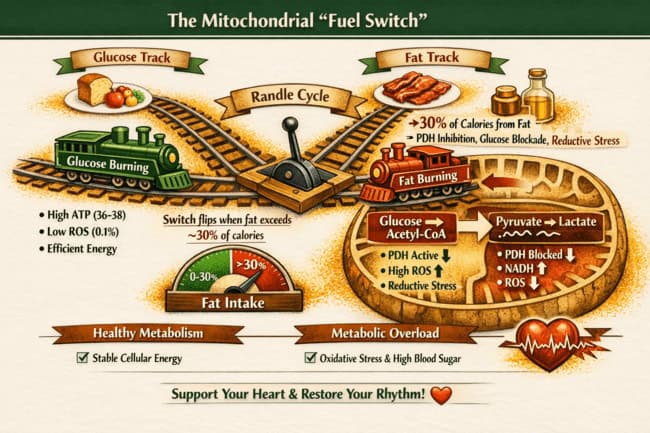
“How to Stay in the Green Zone”
“Balanced fat intake with healthy carbs keeps PDH active and mitochondria efficient”
Important Medical Disclaimer
This article is for general educational purposes only. It does not diagnose, treat, or prevent any medical condition, and it does not replace medical care. Atrial fibrillation can carry significant health risks. Anyone experiencing AFib or symptoms of irregular heartbeat should be evaluated by a qualified cardiologist or healthcare professional to discuss appropriate testing, monitoring, and treatment options.
© 2026 Health and Life, Inc. All rights reserved.
References
Section A — AFib Physiology, Autonomics, Mitochondria, Hormones & Structural Remodeling
- Bers, D. M. (2002). Cardiac excitation–contraction coupling and calcium signaling. Circulation Research, 90(1), 14–17.
- Chen, P. S., Chen, L. S., Fishbein, M. C., Lin, S. F., & Nattel, S. (2014). Role of the autonomic nervous system in atrial fibrillation: Pathophysiology and therapy. Circulation Research, 114(9), 1500–1515.
- Heijman, J., Voigt, N., Nattel, S., & Dobrev, D. (2015). Calcium handling and atrial fibrillation. Cardiovascular Research, 109(4), 452–462.
- Kharbanda, R. K., van der Does, W. F. B., van Staveren, L. N., et al. (2022). Vagus nerve stimulation and atrial fibrillation: Revealing the paradox. Neuromodulation, 25(5), 739–748.
- Kornej, J., Börschel, C. S., Benjamin, E. J., & Schnabel, R. B. (2020). Epidemiology of atrial fibrillation: The role of inflammation and oxidative stress. Nature Reviews Cardiology, 17(1), 45–59.
- Mason, F. E., Pronto, J. R. D., Alhussini, K., et al. (2020). Cellular and mitochondrial mechanisms of atrial fibrillation. Basic Research in Cardiology, 115(6), 1–22.
- Mauriello, A., Correra, A., Molinari, R., et al. (2024). Mitochondrial dysfunction in atrial fibrillation: The need for a strong pharmacological approach. Biomedicines, 12(12), 2720.
- Odening, K. E., Deiss, S., DillingBoer, D., et al. (2012). Sex hormones and cardiac arrhythmias. Heart Rhythm, 9(8), 1133–1140.
- Rosano, G. M. C., & Vitale, C. (2017). Hormonal influences on the cardiovascular system. International Journal of Cardiology, 227, 127–133.
Section B — Nutritional Biochemistry, Redox Biology & Mitochondrial Cofactors
- Gropper, S. S., & Smith, J. L. (2021). Advanced nutrition and human metabolism (8th ed.). Cengage Learning.
- Halliwell, B., & Gutteridge, J. M. C. (2015). Free radicals in biology and medicine (5th ed.). Oxford University Press.
- Lehninger, A. L., Nelson, D. L., & Cox, M. M. (2021). Lehninger principles of biochemistry (8th ed.). W. H. Freeman.
- Murray, R. K., Bender, D. A., Botham, K. M., et al. (2018). Harper’s illustrated biochemistry (31st ed.). McGrawHill.
- Nicholls, D. G., & Ferguson, S. J. (2013). Bioenergetics (4th ed.). Academic Press.
- NIH Office of Dietary Supplements. (n.d.). Fact sheets for thiamine, riboflavin, niacin, pantothenic acid, magnesium, potassium, selenium, zinc, and coenzyme Q10. https://ods.od.nih.gov (ods.od.nih.gov in Bing)
- Pizzorno, J., & Murray, M. (2012). Textbook of natural medicine (4th ed.). Elsevier.
- Ross, A. C., Caballero, B., Cousins, R. J., Tucker, K. L., & Ziegler, T. R. (2014). Modern nutrition in health and disease (11th ed.). Wolters Kluwer.
- Rutter, G. A., et al. (2014). Mitochondria. Oxford University Press.
- Valko, M., Leibfritz, D., Moncol, J., Cronin, M. T., Mazur, M., & Telser, J. (2007). Free radicals and antioxidants in normal physiological functions and human disease. International Journal of Biochemistry & Cell Biology, 39(1), 44–84.
Addendum – additional support that could be considered
Urolithin A
Urolithin A is a postbiotic compound known for enhancing mitochondrial quality control, particularly by stimulating mitophagy—the process by which damaged mitochondria are removed and replaced with healthier ones.
Human and pre-clinical studies show that Urolithin A can improve mitochondrial efficiency, reduce inflammatory signaling, and support cellular energy production, especially in aging tissues. These effects are theoretically relevant to atrial fibrillation, since mitochondrial dysfunction, oxidative stress, and impaired energy metabolism contribute to atrial vulnerability. However, despite its promising metabolic and antiinflammatory actions, there are currently no studies directly linking Urolithin A to AFib prevention, reduced AFib burden, or changes in atrial electrical or structural remodeling. Its potential relevance to AFib remains indirect and speculative, based solely on its general support of mitochondrial health rather than any AFibspecific evidence.
HydrogenRich Water (HRW) as a Mitochondrial Support Consideration
Hydrogenrich water (HRW), also known as hydrogenated water, has gained attention for its potential to support mitochondrial function. Molecular hydrogen (H₂) is uniquely able to diffuse into cells and concentrate within the mitochondria — the primary site of oxidative stress and energy production.
Within this environment, H₂ may help neutralize harmful reactive oxygen species and modulate mitochondrial signaling pathways involved in cellular resilience. Additionally, it exhibits anti-inflammatory effects by modulating inflammatory pathways and cytokine production.
While these mechanisms make HRW an intriguing tool for mitochondrial support, there is currently no direct evidence linking HRW to improvements in atrial fibrillation (AFib). Existing research focuses primarily on metabolic health, oxidative stress reduction, and exercise recovery. As such, HRW may be viewed as a theoretical adjunct rather than an evidencebased therapy for rhythm stabilization.
For individuals exploring comprehensive mitochondrial support strategies, HRW can be considered a lowrisk option, but it should not replace established nutrients with demonstrated roles in cardiac energetics, such as B vitamins, magnesium, CoQ10, and lipoic acid and others as mentioned above.
⭐ How about Biotin, Vitamin B7 Yes — but in a very specific and limited way.
Biotin is a cofactor for carboxylase enzymes, several of which operate inside the mitochondria. These enzymes help with:
🔹 1. Pyruvate Carboxylase (PC)
- Converts pyruvate → oxaloacetate
- Supports gluconeogenesis and replenishes TCA cycle intermediates (anaplerosis)
🔹 2. AcetylCoA Carboxylase (ACC)
- Converts acetylCoA → malonylCoA
- Key step in fatty acid synthesis and regulation of fatty acid oxidation
🔹 3. PropionylCoA Carboxylase
- Helps metabolize certain amino acids and oddchain fatty acids
- Produces succinylCoA, which feeds into the TCA cycle
🔹 4. MethylcrotonylCoA Carboxylase
- Involved in leucine metabolism
So yes — biotin participates in mitochondrial metabolism, but mostly in supporting roles rather than driving ATP production directly.
❤️ Does Biotin Have a Role in AFib? No direct evidence at this time.
Here’s the current landscape:
✔ What’s plausible
- Biotin helps maintain metabolic flexibility
- Supports TCA cycle intermediates
- Helps regulate fatty acid metabolism
- May indirectly support mitochondrial health
✘ What’s not supported
- No studies showing biotin reduces AFib burden
- No evidence it stabilizes rhythm
- No trials linking biotin to autonomic balance or atrial remodeling
- No clinical data in AFib patients
What about the Helicobacter pylori bacteria?
Patients with atrial fibrillation are nearly 20 times more likely to be infected with the common gastric microbe Helicobacter pylori than are healthy controls, with the association strongest in patients with persistent rather than paroxysmal atrial fibrillation, according to a report in the July issue of Heart http://www.reutershealth.com/en/index.html NEW YORK (Reuters Health)
Mycotoxins from mold exposure
- A far greater problem than most individuals realize, who don’t fully realize the reason they are not well
- They damage the mitochondrial membrane, which…
- dramatically increases Reactive Oxygen Species (ROS)…which
- induces lipid peroxidation and chronic immune activation
- And ultimately results in seriously impeding electron flow – even causing reverse flow and fatigue
Besides, H. pylori and mycotoxins, chronic immune activation from all types of pathogenic organisms increases ATP demand. This is a common occurrence in the intestinal tract of many individuals. Microbes there often produce large amounts of endotoxins that can induce autoimmunity. The system gets overwhelmed and nutrient demand outstrips the supply of nutrients leading to disease, including AFib.
Therefore, improvement in the function of the heart atria is a whole-body activity with good nutrition, healthy outdoor physical activity, adequate hydration, mental calmness that handles stressful life events, breathing clean air, adequate sleep and a joyful forgiving spirit. All these enable full utilization of the necessary supplements listed above