Category Archives: Articles

Atrial Fibrillation

Atrial Fibrillation

More Nutritional Articles

Atrial Fibrillation

Arkansas Nutrition and Natural Healing

Dr. Roger Trubey, Dr.PH, MPH, and Doctor of Integrative Medicine 362 Unger Trail, Mountain Home, Arkansas 72653

Call 501-538-4944

Atrial Fibrillation – Is it a result of chronic nutrient deficiency and mitochondrial damage? Understanding AFib Through a Metabolic Lens by Roger Trubey, DrPH, ND

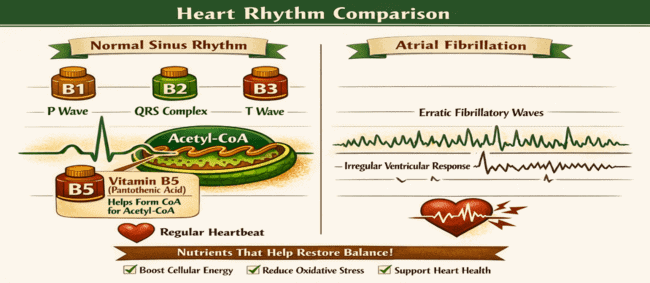
Atrial Fibrillation (AFib) is an irregular heart rhythm that originates in the heart’s upper chambers (atria). It can cause symptoms such as fatigue, Heart palpitations, shortness of breath, even panic episodes and dizziness. Risk factors such as hypertension, heart disease, and obesity may be involved but AFib can occur in individuals without any of the common risk factors.

During AFib the atria beat chaotically and often out of sync with the lower chambers (ventricles), which can reduce the heart’s efficiency. Standard treatment options may include medications, surgical procedures (i.e. ablation), and lifestyle changes. Any of which are designed to restore normal heart rhythm.

Atrial Fibrillation is the most common heart rhythm disorder and is far more prevalent than many people realize. It is in fact a very serious problem. Untreated atrial fibrillation can lead to stroke, heart failure and endless fatigue.

Overall prevalence:

  • In the U.S., Atrial Fibrillation or AFib, affects about 1 in 22 adults (roughly 4.48% of the population) NHLBI, NIH. It is a problem particularly affecting senior citizens – especially over the age of 65 with a significant increase in those over 80.
  • Earlier estimates from over 20 years ago suggested only about 1 in 33 adults had AFib, but new national data show it’s at least three times more common than previously thought UC San Francisco+1.
  • Updated research from UC San Francisco and the NHLBI estimates at least 10.55 million Americans have AFib UC San Francisco+1
Atrial Fibrillation

According to WebMD some factors that put one at risk for Afib include:

  • Family history. Up to 30% of people with the condition have a relative with it, too.
  • Sex. AFib generally affects more men than women. But after age 75, 60% of people with AFib are women. Women over age 75 may be more at risk for blood clots and have greater challenges with treatment. That’s because some drugs can trigger atrial fibrillation.
  • High blood pressure. Long-term, uncontrolled high blood pressure puts you at higher risk. One in six cases of atrial fibrillation have been caused by high blood pressure.
  • Ancestry. People of European heritage are more likely to have AFib than are African Americans, Asians, and Hispanics. But African Americans are more likely to die from it.
  • Age. The risk of atrial fibrillation for both men and women goes up with age. This could be because the heart is exposed to more risk factors over time. Over the years, electrical and structural changes – such as thickening of the heart wall – make it harder for blood to flow. (I believe there are far more critical reasons to be discussed below in this document)
  • Heart surgery. Atrial fibrillation is the most common complication after heart surgery. It occurs in 15% to 40% of patients, usually shortly after surgery.
  • Heart disease. People with any heart related issue could be at risk including those with a heart attack history
  • Obesity. Weight loss can help ease symptoms, how severe the disease is, blood volume in the heart, and reduce some thickness of the heart wall.
  • Binge drinking. Having more than five drinks in 2 hours for men, or four drinks in 2 hours for women, ups your risk.
  • Sleep apnea. In this sleep disorder, breathing repeatedly stops during the night for various reasons. Studies have shown a strong link between sleep apnea and AFib, although it is not a proven cause.
  • Other medical conditions. Thyroid problems, diabetes, and asthma can also trigger AFib.

Many people with AFib want to understand what’s happening inside their bodies and whether lifestyle or nutritional choices can support or affect their heart health. One area that’s getting more attention is the role of the heart’s energy/electrical system — the mitochondria.

Mitochondria are tiny structures inside every cell. Their job is to turn food into energy the body can use. Because the heart beats 24/7, it needs a huge amount of energy, and healthy mitochondria help keep the heart’s electrical system steady.

A mitochondriaAtrial Fibrillation
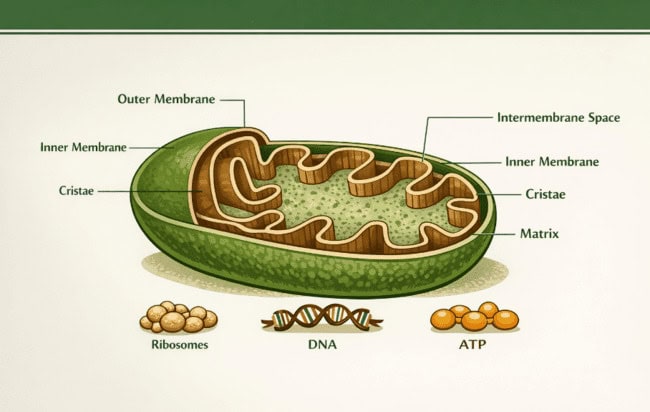
This article explains the connection between mitochondrial function or dysfunction and atrial stability.

Atrial fibrillation (AFib) is traditionally viewed as an electrical rhythm problem, but modern research shows it is also deeply connected to mitochondrial function, cellular energy balance, and nutritional physiology. The atria are among the most energy dependent tissues in the body, and their electrical stability depends on efficient ATP production, low oxidative stress, and tightly regulated calcium cycling and adequate supply of critical nutrients.

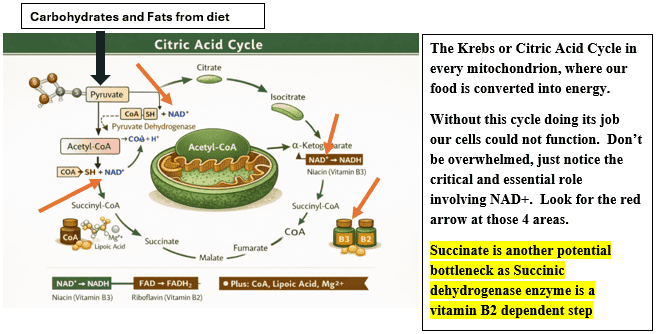
The mitochondria take the food we eat, drive food nutrients through the Citric Acid Cycle to supply the energy for nearly every cell in your body, enabling each cell, tissue and organ to function properly. When mitochondrial function falters in the heart, the atrial tissue in the top part of the heart where AFib takes place, becomes more vulnerable to triggered activity and electrical dysfunction. AFib itself can further damage mitochondria, creating a self-reinforcing cycle.

So AFib is not only a consequence of mitochondrial dysfunction but it will also drive it and perpetuate it. This happens because of the following:

  • Very excessive electrical activation – excess ROS produced which destabilizes the electron transport chain
  • Oxidative stress (ROS) damages the mitochondrial membranes and mitochondrial DNA
  • ATP depletiondue to too much sodium and calcium getting into the cell
  • Afib Mitochondrial dysfunction electrical instability More AFib

Research shows that mitochondrial dysfunction is strongly implicated in AFib, especially through oxidative stress, impaired ATP production, and abnormal calcium handling.

ATP (Adenosine Triphosphate)::

  • Determines your cell’s ability to repair and regenerate, detoxify and clear toxins
  • Supports your immune systems response to infections
  • Powers normal brain function and prevents brain fog
  • Essential for the heart and its atria to function normally, preventing the development of AFib

Here is what we know

  • AFib is associated with mitochondrial dysfunction, especially excess Reactive Oxygen Species (ROS) and impaired energy production. (ROS are very reactive chemicals produced as a result of normal mitochondrial activity. Think of it like the byproduct exhaust from the tail pipe from your car as the engine is operating)
  • Mitochondrial health influences ion channel stability, calcium cycling, and electrical remodeling, all of which contribute to AFib. (Ion channels are specialized proteins that form pores in cell membranes, allowing specific ions (atoms or molecules that carry a net electrical charge) to pass in and out of cells, playing crucial roles in various physiological processes).
  • Electrons carry the current ln our homes and drive engines, machines and lights. Likewise, electrons in the mitochondria’s Citric Acid Cycle and the electron transport chain, when working properly, drive the energy for our cells to function
  • Improving mitochondrial function may reduce AFib burden, although this is still an emerging therapeutic concept.
Atrial Fibrillation

Nutrient Cofactors Required for Mitochondrial Function

Mitochondria are very much dependent on a network of micronutrients to produce ATP, regulate redox balance and maintain ion and electrical stability. Deficiencies of several of these, could possibly predispose one to having an unstable mitochondrial electrical function, increasing the risk for AFib.

Mechanisms by which NAD+ could reduce AFib susceptibility

One particular nutrient, NAD⁺, is absolutely critical to these pathways and mitochondrial function is greatly reduced when it is at insufficient levels. NAD+, you might wish to know, is short for Nicotinamide Adenine Dinucleotide

Improves mitochondrial ATP production

NAD+ is a vital coenzyme in every living cell that drives mitochondrial energy production, DNA repair, and cellular metabolism. NAD+ is considered the bioactive form of vitamin B3 or niacin, because vitamin B3 is converted to NAD+ in the body. So, your body takes niacin or niacinamide and converts it to NAD+ and that is what your body must do to use niacin from your food or supplements

NAD+ (from niacin or niacinamide) is required

for the following:Atrial Fibrillation
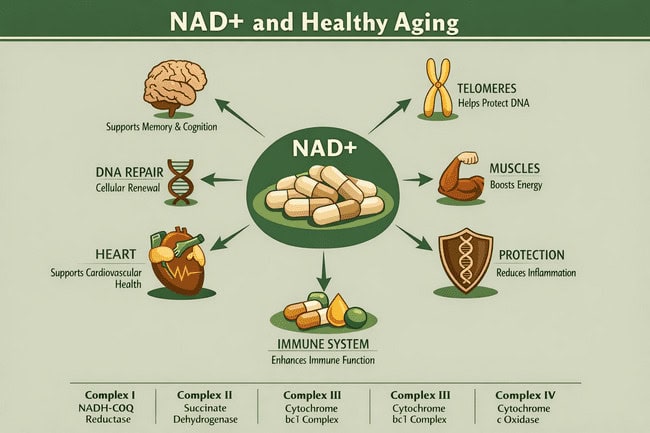
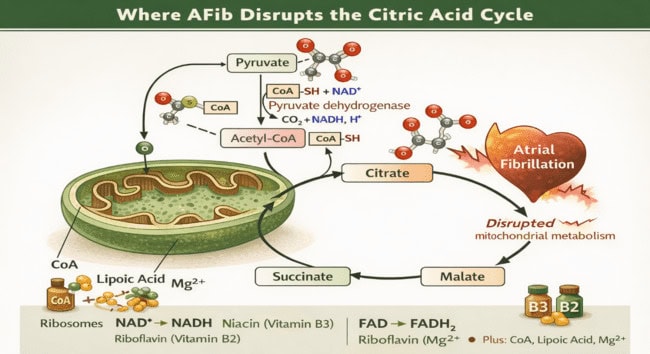
  • Citric Acid Cycle activity (see

diagram below)

  • Ion channel stability, correct
  • electrical

conductivity and functioning

  • Electron transport chain function

and ATP generation

  • Improving mitochondrial function

may reduce AFib

burden, although this is still an

emerging therapeutic concept

The cells in the Atrium (the “A” in AFib and located in the upper chambers of the heart) have extremely high energy demands. When ATP production is insufficient, calcium handling becomes unstable, which promotes the generation of abnormal electrical impulses from sites outside the heart’s normal pacemaker, which can trigger premature heartbeats or arrhythmias. But when the Atrium is provided adequate NAD+ for ATP production, this

  • Reduces excessive mitochondrial ROS
  • Low NAD+ impairs the cells ability to neutralize ROS, the normal exhaust the cell produces when functioning. The trash builds up just as it would do in our homes if the trash we produce were not removed to the trash bin
  • Supports Sirtuin activity –
  • These are a family of enzymes that play a very important role in mitochondrial biogenesis, circadian rhythm, DNA repair, healthy aging, inflammation reduction and healthy brain function. But these enzymes are completely dependent on NAD+. They can only function with adequate NAD+
  • In regard to AFib, these enzymes with the help of NAD= stabilize cardiac electrophysiology
  • Improves Calcium handling by protecting against calcium overload in the cell
  • Reducing Inflammation
  • Mitochondrial dysfunction and damage to cell membranes releases mitochondria DNA which triggers inflammation and promotes AFib. Thus, protecting against inflammation from damaging cytokines by NAD+ is essential to the health of all mitochondria
Atrial Fibrillation

What the evidence does not show

  • No clinical trials demonstrate that NAD⁺ supplementation reduces AFib episodes.
  • No cardiology guidelines recommend NAD⁺ for arrhythmia prevention.
  • Most evidence is mechanistic, based on cell and animal models.

So, the idea is biologically plausible but not clinically validated – we have to admit that no clinical studies have been done to prove the role of NAD+ in protecting against the development of AFib or its continuation

But it should also be noted that NAD+ declines rather significantly with ageing, and it is in the middle to late stages of life when we see most cases of AFib developing.

Indeed: Human and animal studies show that tissue and plasma NAD⁺ levels drop with advancing age—on the order of ~50–60% from early to late adulthood in some reports.

  1. This decline is linked to:
    • Increased activity of NAD⁺consuming enzymes (like CD38, PARPs, sirtuins)
    • Mitochondrial dysfunction and oxidative stress
    • Chronic lowgrade inflammation (“inflammaging”) Infections
    • Age-related decline

In the heart, lower NAD⁺ means less efficient mitochondrial ATP production, more oxidative stress, and impaired stressresponse signaling, conditions that make atrial tissue more vulnerable to electrical instability.

How supplementation affects cardiac tissue (in studies

Nicotinamide mononucleotide (NMN) and nicotinamide riboside (NR) or simply niacinamide are all NAD⁺ precursors—basically upstream molecules your body can convert into NAD⁺.

What preclinical cardiac studies show

  • Restoring NAD⁺ improves mitochondrial function. In animal models, boosting NAD⁺ with precursors:
    • Enhances mitochondrial respiration and ATP production
    • Reduces reactive oxygen species (ROS)
    • Improves cardiac energetics and contractile function
  • Protection in cardiac stress models. NMN/NR/Niacinamide supplementation has shown:
    • Reduced damage in ischemia–reperfusion injury
    • Improved function in heart failure and cardiomyopathy models
    • Better endothelial function and vascular health

So, at the level of mechanism at least, NAD⁺ boosters seem to:

  • Stabilize mitochondrial energy supply
  • Lower oxidative stress
  • Support sirtuin activity (SIRT1, SIRT3). All of which are important for cardiac resilience

What human data show (so far)

  • Human trials of NR/NMN/niacinamide show they raise NAD⁺ levels and can improve some metabolic and vascular markers, but:
    • Data is still early
    • Trials are small and short
    • They are not AFibspecific

There are no robust clinical trials yet showing that Niacinamide, NR or NMN reduce AFib burden—the link is rationalistic and promising but not proven.

Other Nutrient Cofactors Required for Mitochondrial Function

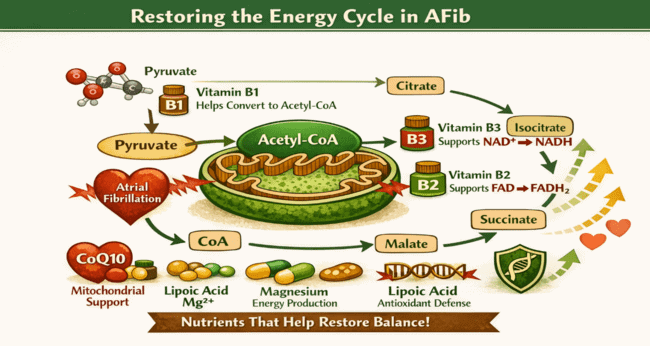
It is important to realize that there are multiple other nutrients that also play an essential role in the proper function of the mitochondria and the citric acid cycle, all of which are critical for the very high nutrient demands of the atrium of the heart. We can see them as nutrients that are critical and nutrients that are supportive.

First, I list the nutrients, along with NAD+, that are absolutely essential to mitochondria energy production and therefore to the stability of electrically active tissues like the atria. Each one supports a different, nonredundant step in oxidative metabolism, and deficiencies in any of them can impair ATP generation or increase oxidative stress. That matters because as I mentioned previously, atrial tissue is metabolically demanding and highly sensitive to mitochondrial dysfunction.

Thiamine and the pyruvate dehydrogenase complex

Thiamine (vitamin B1) is required to form thiamine pyrophosphate (TPP). the essential cofactor for the pyruvate dehydrogenase (PDH) enzyme complex. PDH is the gatekeeper (along with another enzyme, acetyl-CoA) to the entrance of the mitochondria energy cycle that takes our food and converts it to ATP energy

Without adequate thiamine:

  • PDH slows, reducing acetylCoA supply
  • ATP production falls
  • Mitochondrial redox balance shifts
  • electrical activity destabilizes

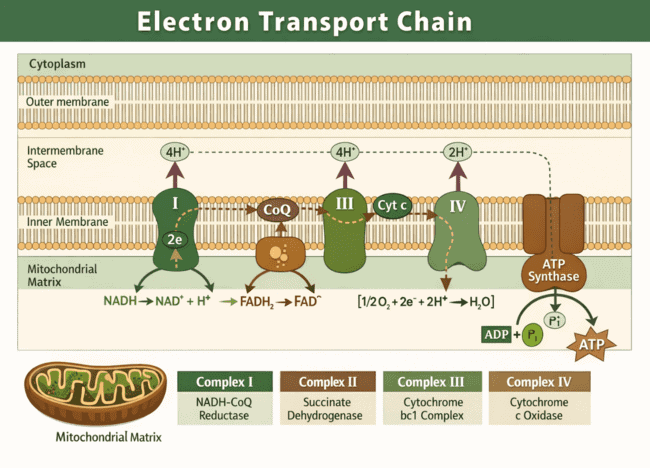
Riboflavin and Complex II of the electron transport chain (see diagram below)

Riboflavin (vitamin B2) is the precursor for FAD and FMN (coenzymes derived from riboflavin and how the body actually needs and uses Vitamin B2), which are required for multiple mitochondrial enzymes. The electron transport chain comes directly off of the Citric Acid Cycle

Most importantly:

  • Complex II requires FAD
  • Complex II feeds electrons directly into the electron transport chain which produces ATP
  • Riboflavin deficiency reduces electron flow and ATP output
  • Because Complex II is the only enzyme that participates in both the TCA energy cycle and the ETC, riboflavin deficiency can create a bottleneck in energy production.

ATPATPATPATPElectron Transport Chain of the MitochondriaElectron Transport Chain of the MitochondriaElectron Transport Chain of the MitochondriaElectron Transport Chain of the MitochondriaAtrial Fibrillation
CoQ10 and electron transport

Coenzyme Q10 (ubiquinone) is the mobile electron carrier between Complex I/II and Complex III(Complexes I-IV are found in the electron transport chain). The electron transport chain is a series of protein complexes and electron carriers in the inner mitochondrial membrane that transfer electrons to create ATP energy for the cell

Without adequate CoQ10:

  • Electron transport slows significantly
  • ROS production increases
  • ATP synthesis declines

CoQ10 is especially important in highenergy tissues like the heart. While not a vitamin, its role is analogous: it is a required cofactor for efficient oxidative phosphorylation, the process that produces ATP

CoQ10 is what often gets blocked along with cholesterol when statin drug medications are being used. When this happens fatigue and muscle pain may occur – due to reduced mitochondrial function.

Magnesium and ATP stability

Magnesium is not just “associated” with ATP —ATP is biologically active only as MgATP. Magnesium is required for:

  • Stabilizing ATP’s phosphate groups
  • The function of ATPdependent ion pumps (Na⁺/K⁺ATPase, SERCA)
  • Mitochondrial ATP synthase activity
  • Regulation of calcium channels

Low magnesium can impair ATP utilization even if ATP is present, low magnesium can destabilize cardiac tissue electrical stability.

Potassium in cardiac electrophysiology

Potassium is absolutely involved, and in a much deeper way than most people realize. It’s not just an electrolyte for heart rhythm — it’s a core player in mitochondrial function, ATP production, and electrical stability of atrial tissue.

Potassium matters in three major wayselectrophysiology, mitochondrial energetics, and arrhythmia vulnerability.

  • Potassium dysfunction can provoke arrhythmias, including atrial fibrillation and ectopy.
  • Even mild potassium deficiency can destabilize atrial tissue. When potassium drops too low, that electrical system becomes unstable.  Heart rhythm problems, dangerous arrhythmias, and increased risk of heart failure can all follow.
  • Mitochondria contain ATPsensitive and calciumsensitive potassium channels. When potassium enters the mitochondrial matrix, it influences:
  • Membrane potential
  • ROS generation
  • Volume regulation
  • Electron transport efficiency
  • ATP inside cells exists almost entirely as Mg ATP, but potassium is required to maintain the intracellular environment that stabilizes ATP-dependent pumps.
  • potassium channel dysfunction, whether genetic, acquired, or metabolic, is central to the development of arrhythmia – both AFib and PVCs
  • NOTE: the major source of potassium in our diets is from fruits and vegetables, foods commonly consumed in inadequate amounts by the average American

Pantothenic acid (Vitamin B5)

Vitamin B5 is required to synthesize Coenzyme A, which is essential for:

  • AcetylCoA formation –
  • Acetyl CoA is the entry point into the Citric Acid cycle, the gateway enzyme into the cycle that processes our food into energy
  • Fattyacid oxidation – or digestion

Here are the Support Nutrients (needed for protection and efficiency)

Pyridoxine (Vitamin B6) supports

  • Aminoacid metabolism
  • Transamination reactions that feed the TCA cycle
  • Neurotransmitter balance, which can influence autonomic tone

It’s not as central as thiamine or riboflavin, but it supports metabolic flexibility.

🧲 Iron

Iron is required for:

  • Complex I, II, and III iron–sulfur clusters
  • Cytochromes in Complex III and IV
  • Oxygen transport
  • Low iron can impair electron transport and reduce ATP output. Can you see why low iron (anemia) can make one fatigued?

Lipoic acid

Lipoic acid is a cofactor for:

  • Pyruvate dehydrogenase
  • αketoglutarate dehydrogenase

It works alongside thiamine and magnesium in oxidative decarboxylation.

Carnitine

Carnitine transports longchain fatty acids into mitochondria for βoxidation. Atrial tissue uses both glucose and fatty acids, so impaired fattyacid transport can reduce ATP availability.

Selenium

Required for glutathione peroxidase, a major mitochondrial antioxidant enzyme. Also critical in thyroid protection

Zinc

Supports superoxide dismutase (SOD) and stabilizes protein structure. SOD is one of those Anti-aging enzymes

Vitamin C and Vitamin E

Work together to reduce oxidative stress, which is strongly linked to atrial remodeling.

Nutrients that influence ion handling and electrical stability

Calcium

Not for supplementation unless medically indicated, but calcium balance is essential for:

  • Mitochondrial calcium buffering
  • SR calcium cycling
  • Action potential stability

Sodium

Intracellular sodium affects calcium handling through the Na⁺/Ca²⁺ exchanger. Low potassium or low magnesium can indirectly raise intracellular sodium. But too much sodium inside the cell is not good.
Atrial Fibrillation

Let me reinforce a point I made earlier. Atrial fibrillation creates a selfreinforcing loop of mitochondrial injury, and the medical literature makes that clear: Once AF begins, the abnormal electrical activity feeds back into the mitochondria and progressively worsens their function. That mitochondrial decline then makes the atria even more vulnerable to sustaining AFib.

Thus “AFib begets AFib” cycle is strongly supported by the evidence in medical journals, especially the MDPI review (MDPI is a Swiss-based publisher of over 390 peer-reviewed, open-access journals) and a Springer Basic Research in Cardiology article.

So, the point being is that unless the foundation problem is corrected the potential is for AFib when it begins, is to only get worse over time unless intervention via meds or ablation takes place – or the root, underlying cause is corrected.

My Story

On a personal note, let me share my experience with AFib and what happened using this approach. AFib was something my dad had to deal with for a time and my sister as well. So, genetics could play a significant role as well.

My AFib had been episodic with periods of nearly daily experiences followed by breaks of a few days to a week or more for three years. Some periods were nearly daily encounters that would last a few minutes to several hours. The longest I think was 14 -15 hours – no fun believe me. These episodes could be triggered by yawing, singing, a deep breath, laughing, coughing, emotional feelings, getting out of breath, occasionally just going for a walk and at times even rolling over in bed. Sometimes they would begin with none of these – just sitting at my desk.

I just intuitively believed that there had to be an answer and the answer had to be a nutritional deficiency. But for months I figured the deficiency must be magnesium and potassium. But taking very adequate levels of magnesium and eating plenty of fruits and vegetables for potassium, never did make sufficient change in AFib episodes.

I kept praying for an answer that God would direct me to the root issues which would not only help me but perhaps might also be of help to others as well. After incorporating these nutrients more aggressively as supplements and food sources for over 5 months I have had Zero episodes for 5 months – none, not one. And now well into my 6th month. So, every morning I thank God for a night without arrhythmia and every night when I lay my head on my pillow, I also thank Him for a day without arrhythmia.

Now please understand I don’t have a direct line to heaven where God revealed this or anything else to me. I am just using science sources that are readily available. And I also realize that some individuals have had long periods, many months in fact, with no episodes and who had no idea of any of the above that I have written. There are no human or animal studies on the above information that proves it to be something that will work on a majority of Afibbers.

But as we peer through this nutritional and metabolic lens at the inner workings of the mitochondria and how technically it could very well be the reason for the development and maintenance of AFib, it does look promising but not proven, as there are no human trials to verify. But my guess is that there never will be either. As long as drugs or surgery are available there is no need for conventional medicine to consider the nutritional roots of this problem.

But if corrected with a drug or surgery (and I have had several individuals tell me of experiencing little relief from the meds and having two or three ablations) are there some other tissues or organs that might also need the nutritional support of these nutrients and will be less healthy without them? I think that is possible as I have found my nightly muscle cramps almost completely eliminated during these same 5 months as well. They were not taking place every night, but frequently it became very bothersome and promoted sleep loss. There are indications that a lack of several of these nutrients, particularly NAD+, is also linked to an array of conditions, such as sarcopenia and diabetes.

Now for some other consideration:

Where Progesterone Fits into AFib Physiology

Progesterone is often overlooked in discussions about AFib, but it has several biological effects that intersect with atrial stability.

Progesterone’s physiological actions relevant to the heart

Progesterone influences:

  • Ion channels (including calcium and potassium currents)
  • Autonomic balance
  • Vascular tone
  • Inflammation and oxidative stress
  • Mitochondrial function in some tissues

❤️ Potential ways progesterone may relate to AFib

While research is still developing, several mechanisms are being explored:

1. Electrophysiology

Progesterone may:

  • Slightly lengthens action potential duration
  • Influence calcium handling
  • Modulate autonomic tone indirectly

“Progesterone increases the heart’s pumping efficiency, and estrogen is antagonistic, and can produce cardiac arrhythmia.” Ray Peat, PhD.

These effects could theoretically influence atrial stability, but evidence is not yet conclusive.

2. Sex differences in AFib

Women have:

  • Lower AFib prevalence before menopause – when generally more progesterone is present
  • More fibrosisrelated AFib after menopause as progesterone decreases
  • Different autonomic patterns

Hormonal influences — including progesterone — are part of the broader picture of sexspecific AFib physiology. Both men and women may likely benefit from supplemental progesterone

3. Progesterone receptors in cardiovascular tissue

Progesterone receptors exist in:

  • Cardiac myocytes
  • Vascular tissue
  • Autonomic centers

This means progesterone can exert genomic and nongenomic effects, some of which may influence cardiac function. Progesterone counteracts excess estrogen, promotes healthy metabolism, lowers any excessive cortisol. High Cortisol Speeds Aging and not only of the heart but all other organs as well.

🧩 What’s still unclear

  • Whether progesterone directly reduces AFib risk
  • Whether progesterone supplementation influences AFib outcomes
  • How progesterone interacts with mitochondrial remodeling in atrial cells

Current evidence does not show a clear causal relationship between progesterone levels and AFib incidence, but the physiology suggests it may play a modulatory role within a larger hormonal network. And as some practitioners suggest, both men and women may benefit from supplemental progesterone. Especially women after menopause

Reduced testosterone:J Cardiovasc <br>Electrophysiol. 2009 Sep;20(9):1055-60.<br>Deficiency of testosterone associates with the substrate of atrial fibrillation in the rat model.<br>Tsuneda T, Yamashita T, Kato T, Sekiguchi A, Sagara K, Sawada H, Aizawa T, Fu LT, Fujiki A, Inoue H.<br>These results would explain, at least in part, the increase in the prevalence of AF in accordance with the decline of testosterone particularly in elderly men.

Reduced DHEA:

Eur J Prev Cardiol. 2012 Nov 14. [Epub ahead of print]<br>Dehydroepiandrosterone sulfate levels and risk of atrial fibrillation: The Rotterdam Study.<br>Krijthe BP, de Jong FH, Hofman A, Franco OH, Witteman JC, Stricker BH, Heeringa J

Subjects in the highest DHEAS quartile had an almost three times lower risk of atrial fibrillation during follow-up, compared to those in the lowest DHEAS quartile (HR: 0.34, 95% CI: 0.18-0.64) adjusted for age, sex and cardiovascular risk factors. Conclusion: DHEAS can be regarded as an important indicator of future atrial fibrillation in both men and women, independent of known cardiovascular risk factors.

nattokinase or lumbrokinase

Atrial fibrillation is a rhythm problem, not a clotting problem — but clotting becomes a concern because the irregular rhythm can let blood pool in the heart. Enzymes like nattokinase or lumbrokinase help the body break down fibrin, which is part of the clotting process. These enzymes support healthy circulation and vascular health in general, but they do not prevent AFib from starting because AFib begins with changes in the heart’s electrical system, structure, and mitochondrial energy balance. However, while clot development may not be the cause, it may be a downstream effect of AFib. These enzymes may help support overall cardiovascular health and lessen the development of clot formation, but they don’t stop the rhythm problem from developing. I have outlined the possible steps above

A Balanced Perspective

Nutritional and lifestyle approaches can be valuable parts of a wholeperson strategy for heart health. However, AFib carries real medical risks, including stroke and heart failure. Nutritional support should never replace appropriate medical evaluation or monitoring.
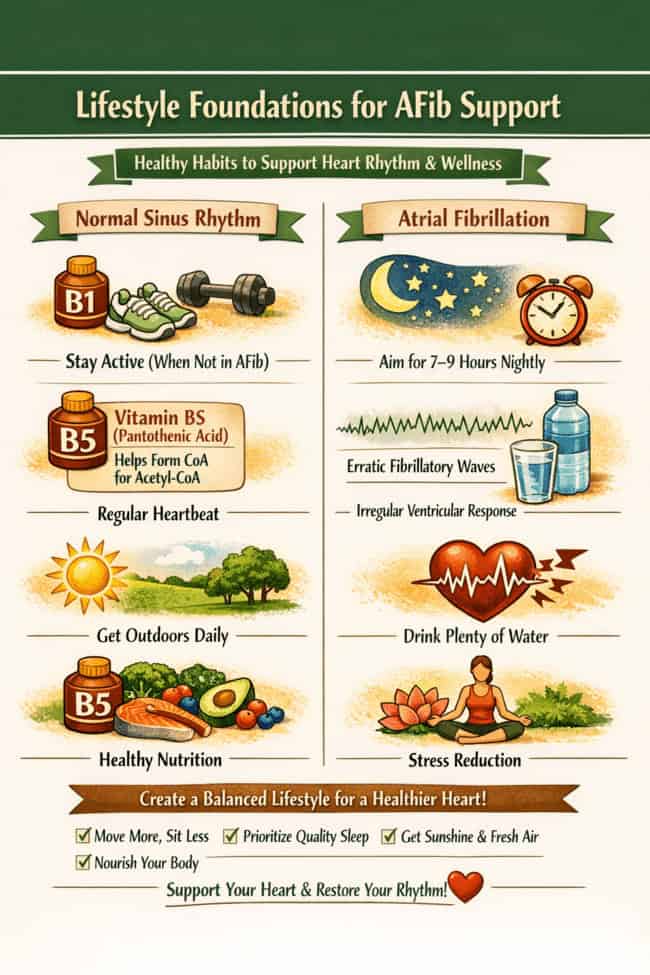
Atrial Fibrillation

Now to emphasize the importance of your choice of food on the mitochondria and AFib

How Food Choices Influence Your Mitochondria — and Why That Matters for AFib

Nutrition is one of the most powerful — and often overlooked — ways to support mitochondrial health and reduce the metabolic stress that can contribute to AFib. As Dr. Joseph Mercola emphasizes, the food we choose every day directly influences how efficiently our mitochondria produce energy and manage oxidative stress.

Why Food Matters for Mitochondria

Your mitochondria depend on a steady supply of nutrients and clean fuel. When the diet is high in processed foods, sugary foods, and industrial seed oils, the mitochondria become overloaded, less efficient, and more prone to producing damaging free radicals. Over time, this can weaken cellular energy production and increase inflammation — two factors that can worsen overall cardiac stress.

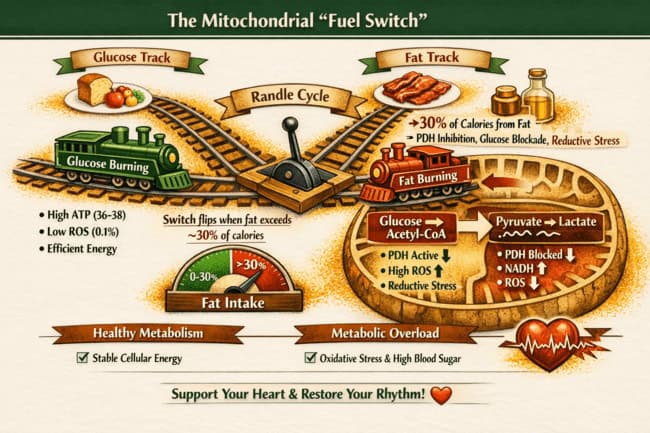
Your mitochondria — the tiny energy factories inside your cells — can burn only one type of fuel at a time: either fat or glucose. Think of this like a railroad switch: the train can go down only one track. This “fuel switch” is known as the Randle Cycle, and the foods you eat determine which track your mitochondria are forced onto.

When Fat Intake Is Too High

If you eat more fat than your mitochondria can comfortably handle (especially above ~30% of calories), something important happens:

  • The enzyme PDH (pyruvate dehydrogenase), which normally converts glucose into acetylCoA for clean burning inside the mitochondria, becomes blocked.
  • When PDH is inhibited, glucose can’t enter the mitochondria.
  • Instead of being burned for energy, glucose gets diverted into lactate, and blood sugar begins to rise.
  • This shift slows metabolism, increases weight gain, and reduces your ability to make efficient cellular energy — including in the atrial cells of the heart, where energy is essential for stable rhythm
  • Glucose from carbohydrates and proteins is the preferred fuel for mitochondrial function

This metabolic “traffic jam” may contribute to conditions like diabetes and may also play a role in the development or worsening of AFib.

Why Glucose Burning Is So Efficient

When your mitochondria are able to burn glucose properly:

  • They produce 36–38 ATP per molecule — a very high energy yield.
  • They generate only 0.1% reactive oxygen species (ROS) — extremely low oxidative stress.
  • Energy production is smooth, clean, and efficient.

But this only happens when PDH is active and the mitochondria are not overloaded with fat.

What Happens When Fat Burning Dominates

When your cells are pushed into burning mostly fat:

  • The NAD⁺/NADH ratio drops, which further suppresses PDH.
  • Pyruvate and lactic acid begin to accumulate.
  • Blood sugar rises because glucose can’t enter the mitochondria
  • Vitamin B2 (riboflavin) gets used up quickly, weakening Complex II of the electron transport chain.
  • This sets the stage for reverse electron flow, also called reductive stress — a state where electrons back up and create a surge of ROS (like exhaust from an engine running too rich).
  • Only 2-4 ATP produced per molecule – and extremely low yield.
  • The amount of ROS or damaging exhaust produced with excessive fat consumption is 30 – 40 times that of the amount produced with normal glucose metabolism

This oxidative stress can damage mitochondria, increase inflammation, and create electrical instability — all factors that may increase vulnerability to arrhythmias like AFib.

The Bottom Line

Eating too much fat, especially from seed oils and grainbased oils, can overload the mitochondrial system and force your cells into a less efficient, more inflammatory mode of energy production. For people concerned about AFib, this metabolic imbalance may contribute to:

  • Higher oxidative stress
  • Poorer mitochondrial function
  • Greater electrical instability in the atria

Choosing foods that support clean mitochondrial glucose burning, maintain healthy NAD⁺ levels, and avoid excessive fat intake can help keep your cellular “fuel switch” in the optimal position for heart rhythm stability.
Atrial Fibrillation

“How to Stay in the Green Zone”

“Balanced fat intake with healthy carbs keeps PDH active and mitochondria efficient”

Important Medical Disclaimer

This article is for general educational purposes only. It does not diagnose, treat, or prevent any medical condition, and it does not replace medical care. Atrial fibrillation can carry significant health risks. Anyone experiencing AFib or symptoms of irregular heartbeat should be evaluated by a qualified cardiologist or healthcare professional to discuss appropriate testing, monitoring, and treatment options.

© 2026 Health and Life, Inc. All rights reserved.

References

Section A — AFib Physiology, Autonomics, Mitochondria, Hormones & Structural Remodeling

  • Bers, D. M. (2002). Cardiac excitation–contraction coupling and calcium signaling. Circulation Research, 90(1), 14–17.
  • Chen, P. S., Chen, L. S., Fishbein, M. C., Lin, S. F., & Nattel, S. (2014). Role of the autonomic nervous system in atrial fibrillation: Pathophysiology and therapy. Circulation Research, 114(9), 1500–1515.
  • Heijman, J., Voigt, N., Nattel, S., & Dobrev, D. (2015). Calcium handling and atrial fibrillation. Cardiovascular Research, 109(4), 452–462.
  • Kharbanda, R. K., van der Does, W. F. B., van Staveren, L. N., et al. (2022). Vagus nerve stimulation and atrial fibrillation: Revealing the paradox. Neuromodulation, 25(5), 739–748.
  • Kornej, J., Börschel, C. S., Benjamin, E. J., & Schnabel, R. B. (2020). Epidemiology of atrial fibrillation: The role of inflammation and oxidative stress. Nature Reviews Cardiology, 17(1), 45–59.
  • Mason, F. E., Pronto, J. R. D., Alhussini, K., et al. (2020). Cellular and mitochondrial mechanisms of atrial fibrillation. Basic Research in Cardiology, 115(6), 1–22.
  • Mauriello, A., Correra, A., Molinari, R., et al. (2024). Mitochondrial dysfunction in atrial fibrillation: The need for a strong pharmacological approach. Biomedicines, 12(12), 2720.
  • Odening, K. E., Deiss, S., DillingBoer, D., et al. (2012). Sex hormones and cardiac arrhythmias. Heart Rhythm, 9(8), 1133–1140.
  • Rosano, G. M. C., & Vitale, C. (2017). Hormonal influences on the cardiovascular system. International Journal of Cardiology, 227, 127–133.

Section B — Nutritional Biochemistry, Redox Biology & Mitochondrial Cofactors

  • Gropper, S. S., & Smith, J. L. (2021). Advanced nutrition and human metabolism (8th ed.). Cengage Learning.
  • Halliwell, B., & Gutteridge, J. M. C. (2015). Free radicals in biology and medicine (5th ed.). Oxford University Press.
  • Lehninger, A. L., Nelson, D. L., & Cox, M. M. (2021). Lehninger principles of biochemistry (8th ed.). W. H. Freeman.
  • Murray, R. K., Bender, D. A., Botham, K. M., et al. (2018). Harper’s illustrated biochemistry (31st ed.). McGrawHill.
  • Nicholls, D. G., & Ferguson, S. J. (2013). Bioenergetics (4th ed.). Academic Press.
  • NIH Office of Dietary Supplements. (n.d.). Fact sheets for thiamine, riboflavin, niacin, pantothenic acid, magnesium, potassium, selenium, zinc, and coenzyme Q10. https://ods.od.nih.gov (ods.od.nih.gov in Bing)
  • Pizzorno, J., & Murray, M. (2012). Textbook of natural medicine (4th ed.). Elsevier.
  • Ross, A. C., Caballero, B., Cousins, R. J., Tucker, K. L., & Ziegler, T. R. (2014). Modern nutrition in health and disease (11th ed.). Wolters Kluwer.
  • Rutter, G. A., et al. (2014). Mitochondria. Oxford University Press.
  • Valko, M., Leibfritz, D., Moncol, J., Cronin, M. T., Mazur, M., & Telser, J. (2007). Free radicals and antioxidants in normal physiological functions and human disease. International Journal of Biochemistry & Cell Biology, 39(1), 44–84.

Addendum – additional support that could be considered

Urolithin A

Urolithin A is a postbiotic compound known for enhancing mitochondrial quality control, particularly by stimulating mitophagy—the process by which damaged mitochondria are removed and replaced with healthier ones.

Human and pre-clinical studies show that Urolithin A can improve mitochondrial efficiency, reduce inflammatory signaling, and support cellular energy production, especially in aging tissues. These effects are theoretically relevant to atrial fibrillation, since mitochondrial dysfunction, oxidative stress, and impaired energy metabolism contribute to atrial vulnerability. However, despite its promising metabolic and antiinflammatory actions, there are currently no studies directly linking Urolithin A to AFib prevention, reduced AFib burden, or changes in atrial electrical or structural remodeling. Its potential relevance to AFib remains indirect and speculative, based solely on its general support of mitochondrial health rather than any AFibspecific evidence.

HydrogenRich Water (HRW) as a Mitochondrial Support Consideration

Hydrogenrich water (HRW), also known as hydrogenated water, has gained attention for its potential to support mitochondrial function. Molecular hydrogen (H₂) is uniquely able to diffuse into cells and concentrate within the mitochondria — the primary site of oxidative stress and energy production.

Within this environment, H₂ may help neutralize harmful reactive oxygen species and modulate mitochondrial signaling pathways involved in cellular resilience. Additionally, it exhibits anti-inflammatory effects by modulating inflammatory pathways and cytokine production.

While these mechanisms make HRW an intriguing tool for mitochondrial support, there is currently no direct evidence linking HRW to improvements in atrial fibrillation (AFib). Existing research focuses primarily on metabolic health, oxidative stress reduction, and exercise recovery. As such, HRW may be viewed as a theoretical adjunct rather than an evidencebased therapy for rhythm stabilization.

For individuals exploring comprehensive mitochondrial support strategies, HRW can be considered a lowrisk option, but it should not replace established nutrients with demonstrated roles in cardiac energetics, such as B vitamins, magnesium, CoQ10, and lipoic acid and others as mentioned above.

How about Biotin, Vitamin B7 Yes — but in a very specific and limited way.

Biotin is a cofactor for carboxylase enzymes, several of which operate inside the mitochondria. These enzymes help with:

🔹 1. Pyruvate Carboxylase (PC)

  • Converts pyruvate → oxaloacetate
  • Supports gluconeogenesis and replenishes TCA cycle intermediates (anaplerosis)

🔹 2. AcetylCoA Carboxylase (ACC)

  • Converts acetylCoA → malonylCoA
  • Key step in fatty acid synthesis and regulation of fatty acid oxidation

🔹 3. PropionylCoA Carboxylase

  • Helps metabolize certain amino acids and oddchain fatty acids
  • Produces succinylCoA, which feeds into the TCA cycle

🔹 4. MethylcrotonylCoA Carboxylase

  • Involved in leucine metabolism

So yes — biotin participates in mitochondrial metabolism, but mostly in supporting roles rather than driving ATP production directly.

❤️ Does Biotin Have a Role in AFib? No direct evidence at this time.

Here’s the current landscape:

What’s plausible

  • Biotin helps maintain metabolic flexibility
  • Supports TCA cycle intermediates
  • Helps regulate fatty acid metabolism
  • May indirectly support mitochondrial health

What’s not supported

  • No studies showing biotin reduces AFib burden
  • No evidence it stabilizes rhythm
  • No trials linking biotin to autonomic balance or atrial remodeling
  • No clinical data in AFib patients

What about the Helicobacter pylori bacteria?

Patients with atrial fibrillation are nearly 20 times more likely to be infected with the common gastric microbe Helicobacter pylori than are healthy controls, with the association strongest in patients with persistent rather than paroxysmal atrial fibrillation, according to a report in the July issue of Heart http://www.reutershealth.com/en/index.html NEW YORK (Reuters Health)

Mycotoxins from mold exposure

  • A far greater problem than most individuals realize, who don’t fully realize the reason they are not well
  • They damage the mitochondrial membrane, which…
  • dramatically increases Reactive Oxygen Species (ROS)…which
  • induces lipid peroxidation and chronic immune activation
  • And ultimately results in seriously impeding electron flow – even causing reverse flow and fatigue

Besides, H. pylori and mycotoxins, chronic immune activation from all types of pathogenic organisms increases ATP demand. This is a common occurrence in the intestinal tract of many individuals. Microbes there often produce large amounts of endotoxins that can induce autoimmunity. The system gets overwhelmed and nutrient demand outstrips the supply of nutrients leading to disease, including AFib.

Therefore, improvement in the function of the heart atria is a whole-body activity with good nutrition, healthy outdoor physical activity, adequate hydration, mental calmness that handles stressful life events, breathing clean air, adequate sleep and a joyful forgiving spirit. All these enable full utilization of the necessary supplements listed above
General Food Guidelines and Dietary Recommendations

General Food Guidelines and Dietary Recommendations

More Nutritional Articles

General Food Guidelines and Dietary Recommendations

Arkansas Nutrition and Natural Healing

Dr. Roger Trubey, Dr.PH, MPH, and Doctor of Integrative Medicine 362 Unger Trail, Mountain Home, Arkansas 72653

Call 501-538-4944

General Food Guidelines and Dietary Recommendations

  1. No fried foods, and highly processed or junk foods.
  2. Regarding fats:
    1. Very much Less (mostly eliminate) Omega 6 fats (soy, corn, safflower oils etc. but also no canola oil.)
    2. Omega 3 fats are preferred but best from fish – otherwise: Cod Liver oil/day (Cod liver oil is my preference) or 2-4 caps of Krill oil. These will also be found to a lesser extent in grass-fed meats and butter from grass-fed cows.
    3. Higher omega 6 (Linoleic acid) intake was linked to a 92% increase in breast cancer risk among lean or obese women. In addition, polyunsaturated (omega 6) fats, commercial processed meats and excessive sugar are irritants to the gut lining, weaken the immune system and stimulate tumor growth.
    4. Caution with nuts – walnuts, pecans and pumpkin seeds have very high levels of Omega 6 Linoleic acid (the damaging factor in omega 6 oils) almonds, cashews, pistachios and macadamia nuts are all low in Linoleic acid
    5. Trans fats (margarine, shortening, French fries, commercial baked goods must be avoided
  3. No non-stick cookware and avoid microwave cooking, frying or charbroiling your food. Boiling, steaming or stir-frying is much preferred.
  4. Healthy Carbohydrates/low glycemic foods should make up the majority of the calories you eat. We are aiming to keep insulin levels low. Colorful fruits and vegetables should supply your carbohydrate needs.   Rice is acceptable as well as heated and cooled potatoes and whole grains if not sensitive
  5. foods like ripe fruit, raw honey and maple syrup. Tropical fruits such as papaya, watermelon, oranges and tangerines are preferable, as in addition to higher levels of fructose, they also contain flavonoids that help to digest the sugars. Ripe melon, apples, peaches, plums, pears and grapes are also good
  6. Calorie Ratio : 45% – 55% carbohydrates, 20%-25% protein, 25% – 30% fats
  7. Another powerful tool is intermittent fasting. Work towards keeping all food within an 8–10-hour timeframe. 2 meals daily are adequate for almost all adults
    1. Research suggests time-restricted feeding (intermittent fasting) drastically reduces a woman’s risk of breast cancer, in part by lowering insulin
  8. Use only butter, coconut oil or healthy sources of lard or beef tallow when cooking – Olive oil on salads is preferred, actually. But again, all grain and seed oils must be avoided
  9. Eat fermented foods like Bubbies sauerkraut, Kimchi or other fermented vegetables – start slow if needed and increase the amount as you tolerate more
  10. Add some detoxifying foods – garlic, green tea, whey, celery, turmeric, cilantro
  11. Use only meats from animals that are fully grass-fed and not given hormones or antibiotics and free from pesticides or herbicide contamination – avoid all high temperature cooking (well done), over cooked meats and blackened meats
    1. Most fish consumed in this country come from China or Vietnam and are highly contaminated. Atlantic fish are not much better at all. Fish should only be purchased from sources known to be obtaining their fish from uncontaminated waters and not from confined fish pens.  My recommendation is Vital Choice.com
  12. Eat fresh organic vegetables, especially cruciferous vegetables (broccoli, cabbage, etc.) which have been identified as having strong anti-cancer properties. Most individuals need to only eat vegetables that have been cooked, not raw.  Stir-fry or lightly steamed
    1. see the dirty dozen and the clean fifteen at the Environmental Working Group on line –

ewg.org.  The dirty dozen are the fruits and vegetables highly contaminated with pesticides and should only be consumed if organic.  The clean 15 are ones that are clean and can be purchased and eaten whether organic or not

  1. Eat organic eggs from free-range chickens only. Enjoy them hard-boiled or scrambled, be careful when fried; do not use the wrong oils
  2. Get antioxidants and other powerful healing nutrients from colorful foods, red and blue berries, cherries, artichokes and deep green colored foods.
  3. If you use dairy foods try to obtain and use raw milk and dairy products such as yoghurt, cheese, butter (all very healthy foods) from grass-fed cows or goats. Always avoid typical store-bought products from animals confined, grain-fed, and produced with antibiotics and rGBH growth hormone from Monsanto. Many may need to avoid dairy altogether when sensitive to those foods
  4. Avoid soy products (unless fermented) due to their anti-thyroid effects, difficulty in digestion, genetically modified foods (GMO) and MSG (fertilizer for cancer cells)
    1. Glyphosate, the active ingredient in Round Up and used heavily on GMO foods, has been found to drive cancer cell proliferation, damages the microbiome and the mitochondria
    2. Unfortunately, there has been widespread contamination in our ground water and 60 to 100% of air and rainwater samples of this toxic chemical.
    3. All grains and legumes that are not organic are contaminated with glyphosate
  5. Consider the need to completely avoid gluten to which many individuals are genetically intolerant or allergic. It can be very inflammatory
  6. Decrease your inflammatory foods
  7. Remove or significantly minimize what are now called ultra-processed foods. So, anything that comes in a package, has an ingredient that if it was in your kitchen, or you wouldn’t know what’s in it or what to do with it – omit these
  8. High-fructose corn syrup in sodas and other products is highly damaging to our bodies. It makes it extremely difficult to lower inflammation, have good blood sugar control, and good immune function when HFCS is being consumed.
  9. Be sure you have regular bowel movements – at least one or two daily
  10. Take time to exercise but do not get overtired and get regular and adequate sleep – 7 to 8 hours in a completely dark room. No TV in the bedroom or alarm clock light (unless red light)
  11. Be cautious with alcohol. A study by the Fred Hutchison Cancer Center found that more than 1 drink/day was shown to increase a second breast cancer recurrence by 90%. More studies are now confirming that any amount of alcohol will have damaging effects on the brain
  12. Coffee (use organic only) and green or black tea – lowers levels of hemoglobin A1c and post-meal increases in blood sugar. Non-organic is riddled with pesticides
  13. When implementing the transition to healthy carbs you need to be careful not to eat too many carbs as excess carbs will be shunted to glycolysis and into glucose into your blood and lead to an increased blood sugar. The more muscle mass you have and the more exercise you do, the more carbs you can eat. I suspect most people could easily transition to 200 grams of carbs

And then there is this

Research across multiple fields continues to confirm that consistent physical activity outperforms nearly every drug or supplement for extending life and reducing chronic disease risk. Exercise doesn’t just add years to your life — it adds life to your years by preserving strength, mobility, and independence well into old age.

Sedentary behavior independently increases disease risk — even if you eat well

Addendum – about Cortisol and Blood sugar – this is important

There is a crucial role that cortisol (the stress hormone) plays in glucose regulation. Cortisol is primarily a rescue hormone. It’s a glucocorticoid, and as the name implies, it increases your glucose level, because if your glucose level drops too low, you will go into a hypoglycemic coma and can die. As such, cortisol is a lifesaver. The downside is that it uses up vital protein to make glucose, so high cortisol takes a toll on your muscles.


The reason anabolic steroids build muscle mass is because they’re anti-cortisol. You would’ve thought anabolic

steroids would have some direct action on the muscles, but no, they primarily inhibit cortisol’s catabolic impact. Cortisol, when elevated with stress, tears down muscle, bone or brain protein to produce glucose in your liver, so when your glucose level drops, cortisol rises and shreds these tissues to produce glucose. This is one of the puzzle pieces that explains why you don’t want your glucose levels to be low over prolonged

periods.


Cortisol also accelerates the aging process and is implicated in most chronic diseases.


In the case of Addison’s disease (adrenal failure), the opposite is present: low cortisol. These patients are typically required to take cortisol injections on a regular basis. On the upside, this chronic cortisol deficiency tends to impart youthfulness.  In most other chronic conditions, high cortisol is a major problem.


High Cortisol Speeds Aging

Metabolic researcher Georgi Dinkov comments:

“Studies as far back as the 1950s and 60s demonstrated that you can produce every single phenotype of aging if you inject cortisol or at least create a state of relative glucocorticoid excess (high cortisol) in the animal.


The natural anti-cortisol steroids in our bodies are progesterone and DHEA, and in males testosterone and dihydrotestosterone.


It has been shown that cortisol levels do not decline with age unless you really have adrenal failure.  However the levels of all the anti-cortisol, youth-promoting hormones (progesterone testosterone,DHEA, Pregnenolone)  decline with age. By the time you’re 80, their levels are at about 20% of what they used to be when you were in your 20s. So, really, what happens is that cortisol stays the same, but your relative state of cortisol increases because there’s nothing to oppose the cortisol that is already there. Multiple intervention studies have demonstrated that if you administer agents that oppose cortisol, block it at the receptor level, or reduce its synthesis, you can achieve really good health results and also improve the

way you look.


Anabolic steroids are probably the best known example. It’s really a misnomer because they’re not anabolic. They’re actually anticatabolic. Muscle has one of the highest expressions of the glucocorticoid receptor, through which cortisol shreds the muscle. It binds the receptor and increases a number of different proteolytic fibers.”


High Cortisol Linked to Depression

Your gastrointestinal tract and brain also have high numbers of glucocorticoid receptors, so cortisol shreds brain tissue as well, causing brain atrophy and subsequent depression. Research has shown that people with depression have smaller brain volumes than people who don’t have depression.   Georgi Dinkov: “Within 48 hours of the glucocorticoid blocker RU-486 being administered to people with clinical treatment-resistant depression, they experienced remission. So, I think it’s a very good argument that cortisol is catabolic to the brain, and clearly, if it’s catabolic to the brain, it’s probably not going to improve your mood. If anything, it’s going to worsen it.”

Again, when your blood sugar level drops, that triggers your body to increase cortisol, which is the last thing you want if you struggle with depression or other chronic disease. Really, one of your primary goals in achieving optimal health is to limit the elevation of your cortisol. It’s far more destructive than having elevated blood sugar, which most focus on.


High Cortisol Is Far Worse Than High Blood Sugar

Many wear continuous glucose monitors that check your glucose level every 5 to 10 minutes. But high glucose is not the real danger here. Cortisol is, and it rises when glucose drops too low. As noted by Dinkov: “All the drugs on the market, especially the more recent ones that lower Hemoglobin A1C, the glycated hemoglobin, all of them increase mortality. So, clearly, messing directly with the levels of blood glucose, it’s not something you want to

do.


You may temporarily decrease the biomarker, the glycated hemoglobin, but it does not mean you’re getting healthier. [These drugs] may lower your blood glucose, but they may kill you in the long run faster than the elevated glucose would’ve done by itself.” Metformin is one classic example. Many are using this drug to lower their blood sugar.  While it’s a natural product, and considered safe, it’s basically a mitochondrial toxin that will make your health decline in the long term.  All of that said, we’re NOT saying you should ignore elevated blood glucose. Absolutely not. But elevated glucose is a symptom that is best addressed indirectly. Once you address the foundational cause, it will normalize by itself.

So, it’s not carbohydrate ingestion that’s causing high blood sugar. It’s what’s happening at the mitochondrial level that is the root of the problem

Annual Autoimmune Testing: Why It Should Be Non-Negotiable

Annual Autoimmune Testing: Why It Should Be Non-Negotiable

More Nutritional Articles

Annual Autoimmune Testing: Why It Should Be Non-Negotiable

Arkansas Nutrition and Natural Healing

Dr. Roger Trubey, Dr.PH, MPH, and Doctor of Integrative Medicine 362 Unger Trail, Mountain Home, Arkansas 72653

Call 501-538-4944

This annual test should be non-negotiable!  So just do it!

Dealing with joint pain, fatigue, skin rashes, or brain fog? Your immune system may be working against you.

  • Unexplained Fatigue, Joint Pain, or Brain Fog? These could be early signs of autoimmune activity. Your immune system may be inadvertently targeting you before symptoms escalate.
  • Family History of Autoimmunity? Autoimmune conditions run in your family?
  • Struggling with Thyroid, Skin, or Hormone Issues? From Hashimoto’s to psoriasis to hormonal imbalances, autoimmune drivers often go undetected
  • Frustrated by Flare-Ups or Chronic Inflammation?
  • Covid 19 issues still keeping you from feeling well and enjoying life?

Autoimmune diseases are born out of the relationship between genetic mutations, gut dysfunction and environmental factors. These factors can increase susceptibility to autoimmunity by affecting the overall reactivity and quality of the cells involved in the immune system. Environmental factors may include:

  • Infections – EBV, CMV, HSV 1 & 2, VZV, Rubeola
  • Chemicals – Pharmaceuticals, cigarette smoke, and others
  • Dietary proteins and peptides – Gluten, casein, modified food antigens.
  • Toxins – chemical toxins, heavy metals and mycotoxins
  • Gut fungal infections
  • Nutritional deficiencies

Diagnosing an autoimmune disease can be a monumentally exasperating task. The initial autoimmunity symptoms may include fatigue, aching tendons or muscles, inflammation, and low fever. Many patients are not diagnosed until these innocuous symptoms manifest into clinical complaints and sub-optimal health.

Diagnosis of autoimmune disorders is based on serological assays such as  ANA, RF, ENA, and immune complexes. Detection of other autoantibodies can be employed for more specific determination of autoimmune diseases such as double-stranded DNA antibody elevation in lupus erythematosus, citrullinated peptide antibody in rheumatoid arthritis, actin and mitochondrial antibody detection in autoimmune liver disease. Furthermore, autoantibodies can determine the disease’s progress and whether or not therapy implementation has been effective.

Autoimmunity is a misdirected immune response. About 30 million Americans suffer from autoimmune disease and perhaps 1 out of 10 individuals worldwide

Among environmental factors are infectious pathogens, which may not only assault and weaken the body and the immune system, but which could also induce autoimmunity through a process called molecular mimicry between the pathogenic viruses and many human tissues.

This mimicry could cause an immune reaction in which antibodies produced against viral antigens may also attack the body’s own tissues. Subsequent viral infections are thought to cause exacerbation of the disease by further activation of the immune response against viral and self-antigens.

Three viruses, in particular, have been identified as the major players and contributors towards inflammation and autoimmune disorders: severe acute respiratory syndrome coronavirus 2 (SARS-CoV-2), Epstein-Barr virus (EBV), and human herpesvirus 6 (HHV-6).

The virus and its disease, COVID-19, have been associated with various autoimmune disorders including:

  • Type 1 diabetes
  • Graves’ disease
  • Autoimmune hemolytic anemia
  • Polyneuritis cranialis
  • Post orthostatic tachycardia syndrome
  • Systemic lupus erythematosus
  • Antiphospholipid syndrome
  • Guillain-Barré syndrome
  • Rheumatoid arthritis
  • Immune thrombocytopenic purpura
  • Miller Fisher syndrome
  • Kawasaki disease
  • Vasculitis

Even Hypertension, Diabetes type II and Depression have now been considered to have autoimmune components

Epstein-Barr virus (EBV) or herpes type 4 is a ubiquitous human virus that infects almost all humans during their lifetime. EBV in children and in some adults causes the infection called mononucleosis, which results in the production first of IgM and then IgG antibodies against viral capsid antigen (EBV-VCA). Following the acute phase, the virus persists mainly in the epithelial cells and B lymphocytes for the rest of the afflicted person’s life.

Epstein-Barr nuclear antigen (EBNA) is another antigen that induces the production and proliferation of B cells, which are responsible for the generation of antibodies in the body. This is why EBV is associated with different proliferative and autoimmune disorders, including lymphomas, rheumatoid arthritis, Graves’ disease, Hashimoto’s disease, lupus, multiple sclerosis (MS), inflammatory bowel disease, celiac disease, autoimmune liver disease, type 1 diabetes, polyneuropathy and Sjögren’s syndrome

Human herpesvirus type 6 (HHV-6) type A and type B are neurotrophic viruses that cause the common childhood disease known as roseola. By age 3, 90-100% of humans are infected by HHV-6 via the nasal cavity. The olfactory pathway is the major route of entry into the nervous system. The virus persists in a variety of cells, including glial cells(brain and nervous system), for the rest of the afflicted person’s life. Immune reaction against HHV-6 results in the production of both IgM and IgG antibodies.

HHV-6 B is linked to several autoimmune and neurodegenerative disorders via molecular mimicry and other mechanisms. These include MS, Guillain-Barré syndrome, lupus, Sjögren’s syndrome, Hashimoto’s thyroiditis, Alzheimer’s disease, Parkinson’s disease, collagen vascular disease, epilepsy, and encephalitis, including Chronic Fatigue Syndrome.

It has been recognized that long-haul COVID, or long COVID, is a gateway to possible autoimmunity, especially to neuroautoimmunity. The long-term consequences of COVID-19 remain a major public health concern, particularly the persistent cognitive issues like brain fog and significant brain tissue loss.

This is especially troubling in relation to reactivation of latent herpesviruses, such as Epstein-Barr virus (EBV) and human herpesvirus-6 (HHV-6). These issues make it imperative to explore the mechanisms behind SARS-CoV-2-induced brain damage.  It is likely that reactivation of several viruses is a part of every autoimmunity.

The discovery that spike protein persists in COVID patients’ plasma, brain and immune cells, and cytokines produced by the immune cells suggest that the prolonged symptoms of post-COVID stems from the presence of viral proteins and associated inflammatory response.

Moreover, increased plasma cytokine levels, disruption of the blood-brain barrier, and reactivation of latent herpesviruses have all been linked to the cognitive symptoms observed in long COVID patients. These symptoms, along with the affected organs, tissues, and cells, are not exclusive to long COVID; since 1969 this symptomatology has been observed in patients diagnosed with myalgic encephalomyelitis/chronic fatigue syndrome (ME/CFS). By 2002, evidence of immune dysfunction and autoimmunity in chronic fatigue syndrome was introduced, and people with this condition are now recognized as being at heightened risk for long COVID.

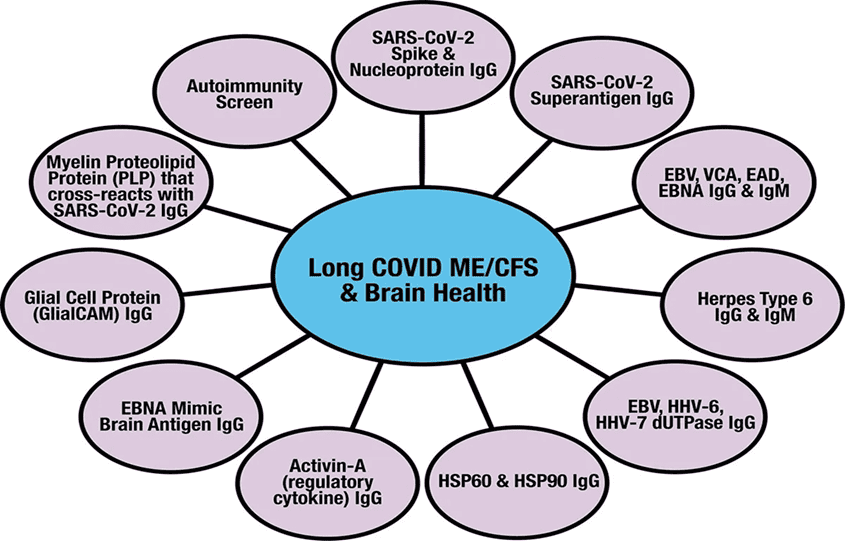
Recently, researchers have identified elevated levels of specific tissue antibodies in patients with long COVID, further supporting the involvement of hyperactivation of the immune system and autoimmune phenomena, particularly targeting the brain in long COVID patients. The involvement of latent viruses, hyperactivation of the immune system, the presence of tissue antibodies and associated autoimmune phenomena can lead a practitioner towards a very specific direction in ordering tests to identify patients suffering from autoimmune reactivity or disease brought about by long COVID. Thus, better testing leads to better treatment, because heightened risk for long COVID correlates with heightened levels of associated antibodies in people infected with SARS-CoV-2.

Annual Autoimmune Testing: Why It Should Be Non-Negotiable

Can you see why an annual autoimmune test deserves a more proactive role in modern clinical care?

Routine, longitudinal testing allows clinicians to move beyond reactive medicine and toward earlier, more informed decision-making. When incorporated into annual evaluations, autoimmune panels can help you:

  • Identify subclinical autoimmune activity before symptoms escalate
    • Establish meaningful baseline immune markers for long-term monitoring
    • Differentiate inflammatory, autoimmune, and non-autoimmune drivers of symptoms
    • Guide earlier, more targeted interventions to reduce downstream complications
    • Support clearer clinical conversations with patients whose symptoms are evolving but unexplained


Zoom Into Autoimmune Triggers and Take Control of Your Health

The Autoimmune Zoomer offers insights into potential root causes of chronic inflammation and immune dysfunction by analyzing a wide range of autoantibodies and tissue-specific immune responses across multiple systems. It also identifies early markers associated with autoimmune activation, leaky gut, and systemic immune reactivity—factors that can quickly contribute to neurological, gastrointestinal, musculoskeletal, and skin-related issues. If you’ve been feeling off without answers, this test provides a comprehensive look at how your immune system behaves and where it might be misfiring.

The Autoimmune Zoomer is a simple blood test that provides a comprehensive view of immune reactivity and early autoimmune patterns. It analyzes over 30 different tissues and organs for the presence of IgG and IgA autoantibodies, helping detect immune system misfires before they progress into full-blown autoimmune disease.

It also assesses intestinal permeability markers like Zonulin and occludin, offering insight into gut-immune interactions that may drive systemic inflammation and symptom flare- ups. With early detection and clear, visual reporting, you will receive a personalized strategy to modulate immune activity and protect long-term health.

Why Choose the Autoimmune Zoomer?

  • Detect Early Signs of Autoimmune Activity: Screens for IgG and IgA antibodies against 30+ tissue-specific antigens to uncover immune reactivity before symptoms escalate into chronic disease.
  • Connect Symptoms to Underlying Autoimmunity: Links fatigue, joint pain, skin issues, neurological symptoms, and more with immune responses to organs like thyroid, brain, and gut.
  • Evaluate Leaky Gut & Immune Tolerance: Includes markers for intestinal permeability and immune barrier integrity to assess gut-driven triggers that may fuel autoimmunity.
  • Personalize Prevention & Management Plans: Helps providers identify which systems are being targeted, enabling more precise lifestyle, nutrition, and supplement strategies.
  • A key assessment for those who have symptoms that don’t respond to standard treatment.
  • The test can help detect early immune reactivity and specific autoantibodies, helping guide more targeted and effective care.

Can you see why this test should be non-negotiable and a part of testing that one does annually or at least every other year?  If all is well with the test, awesome.  But if some parameters are elevated, you are ahead of the game to take preventive action. Early detection creates options.  Options create better outcomes.

Gut Barrier Repair and Allergic Reactions

Gut Barrier Repair and Allergic Reactions

More Nutritional Articles

How to Repair a Damaged Gut Barrier and Calm Allergic Reactions at the Root

Adapted with credit to Mercola.com

Arkansas Nutrition and Natural Healing

Dr. Roger Trubey, Dr.PH, MPH, and Doctor of Integrative Medicine 362 Unger Trail, Mountain Home, Arkansas 72653

Call 501-538-4944

If you’re dealing with food reactions that seem to come out of nowhere, seasonal allergies that have worsened over time, or nagging gut symptoms that never fully resolve — this is where you start.

The root cause isn’t just your immune system overreacting. It’s a breakdown in communication between your gut lining, your nerves, and your immune cells.

But here’s the good news: You can take back control. Even if you’ve tried restrictive diets or expensive testing, what often gets overlooked is how your gut’s nervous system and physical barrier need direct support.

Support Your Gut at the Source

• Support your gut by cutting off its enemies at the source and feeding it what it needs to thrive — that means removing the toxins draining your cellular energy and giving your microbiome the right kind of fuel to regenerate.

Start by fixing what disrupts your mitochondria, which are the power factories of your cells, including those in your gut lining. If they’re not working, your gut won’t heal.

The biggest culprits are:

  • Linoleic acid (LA) found in seed oils

  • Plastics laced with endocrine disruptors

  • Constant exposure to electromagnetic fields (EMFs)

These weaken your gut on a cellular level.

Reintroducing Carbohydrates in the Right Order

Once you’ve eliminated these triggers, start consuming healthy carbohydrates. Most adults need around 250 grams daily from whole foods.

The right type of carbs helps your colon maintain the oxygen-free environment needed for beneficial bacteria to grow. However, you need to go in the right order.

Introduce:

  • White rice

  • Whole fruits

Before considering:

  • Vegetables

  • Whole grains

  • Starches

If your gut is severely inflamed and compromised, initially avoiding a high-fiber diet is important, as excessive fiber will only feed the bad bacteria and increase endotoxin levels.

Feed Your Gut Bacteria What They Actually Need

• Feed your gut bacteria what they actually need: fermentable fiber — when your gut microbes digest the right kinds of fiber, they create SCFAs like butyrate and acetate, which repair damage, lower inflammation, and keep your intestinal cells functioning properly.

Again, don’t go overboard all at once, especially if your gut is inflamed and you’re dealing with severe sensitivities or frequent bloating. Slowly build your tolerance. The goal is to reintroduce safe, fermentable foods without triggering symptoms.

Boost Your Akkermansia muciniphila Production

• Boost your Akkermansia muciniphila production — this beneficial keystone bacterium helps maintain a balanced microbiome and healthy intestinal barrier.

Eating polyphenol-rich fruits can help boost your levels; these include blueberries, along with inulin-containing foods such as asparagus, garlic, leeks, and bananas.

Ideally, Akkermansia should make up about 3% to 5% of your gut microbiome population.

You can also take a postbiotic Akkermansia supplement. However, before following this route, your body needs to recover from vegetable oils, so give it time. A six-month break helps your mitochondria heal and restores a gut environment where Akkermansia can thrive.

Optimize Vitamin D

• Get your vitamin D levels into the optimal range — vitamin D supports the production of antimicrobial peptides and tight junction proteins, and helps your immune system tolerate foods instead of attacking them.

If your levels are under 60 ng/mL, you’re not in the protective range.

The best way to boost your levels is through safe sun exposure, ideally around solar noon. However, before doing so, you need to purge LA from your diet for at least four to six months, as it becomes embedded in your skin. Sunlight exposure causes toxic metabolites to form, which will damage your cellular health.

For more information, read “The Fast-Track Path to Clearing Vegetable Oils from Your Skin.”

Support the Nerve–Gut Connection

• Support the nerve-gut connection that keeps your barrier intact — your enteric nervous system controls how your gut lining regenerates — and when it’s dysregulated, everything from barrier breakdown to overactive immune responses gets worse.

As one study demonstrated, one of the key molecules in this process is vasoactive intestinal peptide (VIP), and its function is shaped by your lifestyle. Stress, poor sleep, and nutrient-deprived diets can all lower VIP activity.

Research provides proof that the intestinal nervous system is deeply involved in shaping and maintaining the stability of your gut lining. For the first time, it showed that the gut brain functions as a “central regulator” of the intestinal barrier.

What Does VIP Do?

Created by the intestinal nervous system, VIP acts as a messenger molecule, and in a healthy gut, it acts like a gatekeeper. The findings reveal that intestinal nerve cells rely on this peptide to send direct instructions to LGR5+ intestinal stem cells, keeping them from multiplying too fast or turning into the wrong types of cells.

What Happens When There’s Not Enough VIP?

• When VIP isn’t present, or when the enteric nervous system isn’t working right, this balance collapses. This leads the gut to produce too many tuft cells instead.

• These secretory cells release signals that trigger an allergy-like reaction inside the intestine.

• The result? Your gut barrier becomes “leaky” — it then allows allergens and bacteria to slip through more easily, setting off immune responses that shouldn’t be happening in the first place.

• As tuft cells climb, they release more interleukin (IL)-25, a molecule that kicks off type 2 immune responses, the same kind of response your body uses during allergies and parasitic infections. The loss of VIP ramps up the same inflammation you see in allergic reactions.

So if you’ve ever wondered why some people develop food allergies while others don’t, this research adds a new layer to the answer.

Environmental Factors That Weaken the Gut Barrier

Today’s modern conveniences are making your gut leaky.

A 2024 study published in the Italian Journal of Pediatric Allergy and Immunology highlights how environmental triggers are dismantling the gut’s protective barrier and driving food allergies.

• Environmental pollutants weaken the gut barrier — micro- and nanoplastics can harm the gut lining and disrupt your microbiome.

• Processed food additives also directly impact gut inflammation and barrier breakdown — emulsifiers like polysorbate 80, carboxymethylcellulose, and carrageenan alter the intestinal microbiota and increase bacterial penetration by altering the intestinal barrier.

Restore Rhythm and Recovery

To support healthy VIP signaling, focus on rhythm and recovery.

  • Prioritize deep sleep
  • Reduce blue light exposure after sunset
  • Eat at consistent times during the day
  • Practice slow, nasal breathing
  • Avoid extreme fasting or aggressive caloric restriction

Over time, these habits restore balance to your nerve-gut axis, rebuild your intestinal wall, and reduce your allergy risk from the ground up.

OligoScan Assessment

OligoScan Assessment

More Nutritional Articles

OligoScan – Finally the test you have been waiting for

Toxic Metals?  You likely have them… It’s true!
Essential Minerals?  You are likely deficient…again, I’m not kidding!

Arkansas Nutrition and Natural Healing

Dr. Roger Trubey, Dr.PH, MPH, and Doctor of Integrative Medicine 362 Unger Trail, Mountain Home, Arkansas 72653

Call 501-538-4944

Do you want to know for sure?  Of course you do, so read on for a quick and simple solution to knowing if you do and which ones are excessive and which ones are deficient.

You take supplements and you hope you are getting enough of the essential minerals.  But how do you know for sure?  Or perhaps you’re one who feels that you are consuming a healthy diet and you really don’t need to add any supplements to your diet.  But how do you know for sure?

Most individuals would like to know if they are fully benefiting from the food and supplements they consume.  And you should want to know.  Here is one good reason:  “Alongside dermatology and psychological disorders, nutritional disorders are among the most common problems encountered by clinicians.  It has been estimated that over 70% of patients are at high risk of having or developing a nutritional deficiency…contributing to their illness” (Kotsirilos V. et al, A Guide to Evidenced Based Integrative and Complimentary Medicine.  Sydney: Churchill Livingstone; 2011 p.14).

Many patients ask me what supplements they should be taking and while it is easy to make some educated guesses, it would be much better to know exactly what minerals were deficient and need additional supplementing and which do not.

Now determining the answer to this nutritional concern has been not only difficult but expensive.  You see, using serum levels in the blood is really not accurate.  Testing red blood cells or white blood cells improves things a bit but with that comes extra cost.  What is lacking is knowing one’s actual tissue level of our minerals – and at a reasonable price.

Now besides concerns for our essential minerals there is another concern, perhaps even bigger – toxic/heavy metals like mercury, arsenic, aluminum and lead.  Exposure to these metals is more commonplace than most realize and far more dangerous than is appreciated.  But are you getting rid of them, eliminating them out of your body?  That is the question and a very important question because these toxic metals can be terribly disturbing and damaging to our organs and tissues leading to dysfunctional biochemistry, disordered metabolic functions and chronic disease.

In fact, most functional health practitioners believe that in nearly all chronic diseases, including heart disease, cancer, autoimmune illness and neurological diseases, not only are mineral deficiencies to be found but these toxic metals will be present as one of the underlying reasons for that disease.  Knowing if this is true for you is of utmost importance if you desire to stay well or to enable you to overcome whatever health concerns you may have.

So, what is the answer to this nutritional conundrum?  We need to know our mineral status, if we have sufficient levels or not.  And we need to know if toxic metals are clogging our metabolic machinery and destroying our health.  But then we also need answers that are not ridiculously expensive and give us information that is truly accurate, based on what is in our cells (tissues), not outside our cells!

I believe the answer is OligoScan.  A European developed Instrument, recently available to practitioners in the U.S.


In my desire to always find the best way to access and improve patient’s health, I am delighted to be one of the few practitioners in the U.S. to offer the OligoScan, an in-office, non-invasive (no skin puncture) instrument that determines the intra-cellular levels of 20 essential minerals/trace elements, 14 toxic/heavy metals, one’s level of oxidative stress, 7 vitamins and 15 graphics providing insight into multiple health risks.  The 3-page report also includes the zinc/copper ratio and the sodium/potassium ratio, crucial to neurological and cardiovascular health and energy production.


Developed in France, after decades of research, the OligoScan is a sophisticated test that is simple to administer.  After getting specific essential information, such as height, weight, age, and blood type, readings are taken using a spectrophotometer device at four different locations on the person’s non-dominant hand.  Your data is uploaded to the OligoScan servers where it is analyzed against a vast database.  You will see the results immediately!  How awesome is that!  With this information about your current state of health, better treatment decisions can be made for you.

OligoScan Assessment

What is spectrophotometry?
Spectrophotometry is a quantitative analytical method of measuring the absorption or the optical density of a mineral or chemical. It is based on the principle of absorption, transmission or reflection of light by the chemical or metal compounds over a specific wavelength range.
Spectrophotometry is used in many areas: chemistry, pharmaceuticals, environment, food, biology, medical/clinical, industrial and others. In the medical field, spectrophotometry is used to examine blood or tissue.
And for those of you who just have to have a little more technical information:  Spectrophotometry determines the optical density of a substance.  Every substance emits and absorbs frequencies, and more light is absorbed with increasing density.  This allows for a quantitative analysis for each of the different minerals and toxic metals.  And interestingly enough, light reflects differently depending on blood type (O, A, B, AB), so that is why I need to know your blood type when performing this test. (No worries if you don’t know your blood type.  I use a simple, inexpensive test kit to determine that.)
In simple terms the elements present and the amount of their presence effects the light entering the cells and that determines the intensity of the electromagnetic signals picked up by the OligoScan instrument.

OligoScan AssessmentHow is the OligoScan different than tests such as blood, urine and hair analysis?
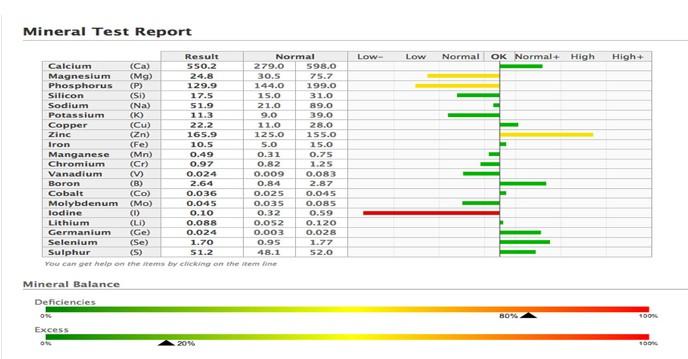
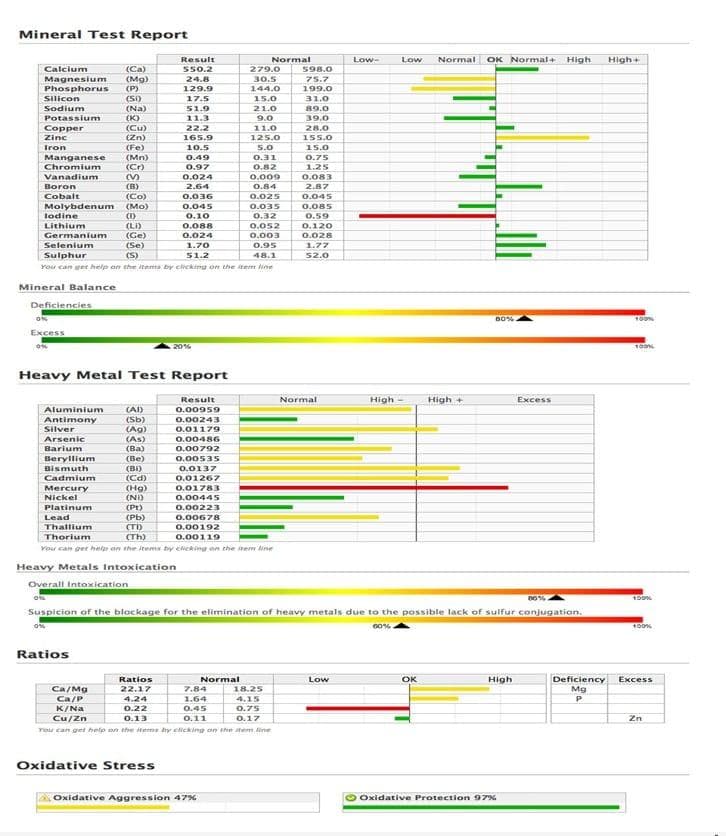
Most of these other tests measure either circulating levels of minerals or metals, such as with blood testing, or what the body is excreting, as is the case with urine and hair analysis.  OligoScan is unique in that it measures the levels of minerals and metals inside your cells.

The primary difference:  The OligoScan measures intracellularly.

Blood tests show metals which have circulated recently. Metals are dumped within a few days from the bloodstream into the tissues. Blood can therefore only be used in acute situations for toxic metals. The level of minerals and trace elements is kept fairly constant in blood. Many people with muscle cramps often have a normal magnesium level in serum; the OligoScan in this case will commonly show a magnesium deficiency.

Urinalysis shows to what extent the body can excrete metals. In a normal spontaneous urine sample, almost nothing is excreted. Only after the body is provoked will increased metal concentrations be found in the urine. This is done with a challenge test for toxic metals. This is a valuable test that shows what amount metals are present in the extracellular environment. Again, the OligoScan measures intracellularly. The challenge test and OligoScan complement each other completely in this aspect.

Hair analysis shows which metals were present during the last 2-3 months. But if a body cannot detoxify well, low amounts of metals will be found in hair. This is called false-negative results.  Hair analysis is even more questionable depending upon what treatments the hair has undergone and what agents have been applied to the hair.

OligoScan Assessment

Consider an example.   A urine test for heavy metals showed high levels of lead and slightly elevated mercury.  A chelating agent, which binds to heavy metals, was used to obtain this result. Keep in mind that different chelating agents are more selective for one or another of the specific metals. In this case, the test results showed a higher lead in the urine because of the specific chelating agent used. The OligoScan in the test above showed both these metals high in the tissues with mercury levels more elevated than the lead levels but the cadmium level even higher. The OligoScan provided a more accurate picture of what was occurring in the tissues, indicating that both mercury and cadmium were more of a problem than the lead.
Another example is seen in someone with high calcium in their hair analysis. On the OligoScan, the same patient may show a deficiency of intracellular calcium as they are not utilizing their calcium.

What to expect with your test
The actual measurement with the OligoScan is very simple.  After I enter your data, including height, weight and blood type, the instrument is gently pressed on four points on the palm of the non-dominate hand.  And really, that’s all there is to the test itself.  The sophisticated software takes over from there and determines the effect to which the light beam is affected by the presence or absence of minerals and metals.  The result is a 3-page report that you receive immediately, allowing you to implement any necessary changes right away.

The report provides you with an unpresented level of detail of your cellular health – these include important details of why you may be experiencing a reduced level of health, why you can’t seem to improve or what nutritional and toxic factors may be predisposing you in the future unless changes are made.

Why do you need this testing?

Heavy metals are highly degenerative to the body.

  • Other healthcare practitioners currently using the OligoScan report 80% to 90% of their patients show excess heavy metals with aluminum being the highest. And I have found the same.  The older the patient the greater the accumulation of toxic metals as, over time they build up when the rate of absorption is greater than the rate of removal.
  • Accumulation of these metals in the body reduces the effectiveness of medical treatments up to 60%. It is, therefore, less likely that anti-oxidants and mineral supplements will be effective if heavy metals are present.
  • We are exposed to these metals on a daily basis, so knowing how effective your body is at detoxifying them will allow you to improve that function if needed.

How often should I get an OligoScan?
OligoScans are very advantageous as not only can one tell what is going on in the body right at that time, but follow-up scans can show how one’s case is progressing.  A follow-up scan may be performed anywhere from 4-6 months after the initial scan to make sure that the treatment protocol is working.

Can children be tested on the OligoScan?
Children who are two years and older can be tested using the OligoScan.  It is an ideal way to obtain useful information, and your child will enjoy the fact that they will not be getting any needles!

OligoScan Assessment

If you’re feeling tired or run down, it could be due to mineral deficiencies or even heavy metal toxicity. But what do you do when you can’t face a battery of endless blood tests and visits to doctor’s waiting rooms?  One answer is OligoScan.  It gives me an unprecedented level of insight into your cellular health.
Having accurate and precise information on aspects such as anti-oxidants, heavy metal accumulation and mineral deficiencies is a real insight into what issues could be influencing your wellbeing. 

Everyday symptoms such as fatigue, insomnia or build-up of stress can often be better understood in the light of this data. With a true understanding of your health on a cellular level, I am much better able to recommend a treatment program with dietary changes and supplements, in order to improve your wellbeing.


The OligoScan measures mineral deficiencies due to diet and food choices, the accumulation of heavy metals in the body and levels of antioxidants in the body – all at cellular levels.  This means the test gives the most direct and immediate information possible on your health. It is significantly faster and more accurate than assessing urine or blood samples. The human body keeps the blood levels balanced for much longer than our tissues; therefore, the deficiency is first seen in the cells rather than in the blood itself. That’s why OligoScan can highlight issues that a normal blood test cannot.
And remember, the OligoScan requires no injections or blood taking; it is pain-free providing instant results which are more precise than a standard blood test.

Okay, What about Cost?

The OligoScan is a $130 test but when the test is completed with the initial or previous visit the price is reduced $30.  It is a very popular test as individuals really want answers about their nutritional status and what metal toxins they are harboring.  The company that developed the OligoScan sells me the equipment but for each test I send for analysis, I am charged an analysis fee – but that is well worth it as you will see when you take this test and have an OligoScan assessment.  Don’t be in the dark get the assessment and be certain.  Make the changes and be healthy.

Some scientific references:

The mineral intake

Toxic metals

Oxidative stress

Lyme Disease – The Great Masquerader

Lyme Disease - The Great Masquerader

Welcome to

Burleson Nutrition and Natural Healing Center

Nutrition & Natural Healing Center

Dr. Roger Trubey, Dr.PH, MPH, and Doctor of Integrative Medicine 6320 Oak Hollow Dr. Burleson, TX 76028

Call 501-538-4944

The Great Masquerader – Lyme Disease

It was after her second son was born that Olivia (not her real name) started to notice changes in her mood, and even her family and friends noticed it as well. It was very definite “up and down emotions,” often accompanied with a low sex drive, that continued for at least 7 years before it cascaded into a series of extreme mood changes that also resulted in serious fatigue, brain fog, anxiety, and a nervous breakdown.

During the next several years she visited a series of physicians and began to receive treatment for hormone dysfunction and allergies.  For a short time, this seemed to be helpful, but eventually the moodiness and fatigue returned.  

Lacking any progress, another practitioner put her on thyroid meds.  Through all these years she also had sleep issues, chronic back, joint and muscle pain, and a hoarseness in her voice for 10 years.  She could barely go to work at the business that she and her husband had started years ago.  At age 40 she was a wreck physically and emotionally and was sadly looking at a lifetime of pain and misery

It was at this point, about 17 years into this misery, that I saw her and suggested we look for chronic infections as an underlying cause of her symptoms.  It was good that we did as there were several pathogenic microbes that came back positive.  But the real kicker was a positive test for Lyme.   When I showed her that report and when she saw the symptoms of Lyme, tears flowed down her cheeks and she said, “Finally I have a reason for why I have felt so bad for so long”. 

Sadly, for Olivia, it took way too long to receive this crucial report of why she had been struggling for so long.  But it is understandable for several reasons:

  • Conventional medicine generally does not believe in chronic Lyme, only acute Lyme due to a recent tick bite.  
  • When testing is done the conventional tests are not robust enough to adequately evaluate chronic Lyme 
  • Lyme mimics so many diseases that unless one did have a recent bite of a tick, the practitioner will be looking for the diseases that mimic Lyme and not Lyme itself.  Lyme will masquerade as a variety of disease entities including,
  1. Neurological diseases – Parkinson’s disease, Alzheimer’s, ADHD, ALS and more
  2. Anxiety, depression, memory loss and brain fog
  3. Fibromyalgia and chronic fatigue syndrome
  4. Most autoimmune diseases – arthritis, Lupus, Multiple Sclerosis and many others
  5. Chronic headaches 
  6. Food allergies/sensitivities
  7. A weakened immune system that leads to one feeling sick and unwell far too often 
  • Not just ticks, but any biting insect is now considered a possible source of Lyme transmission.  Further many children have been born with Lyme – transmitted from mother to offspring.

Now, notice these common symptoms in individuals with chronic Lyme disease in the list below.  Is it any wonder that most doctors might be confused and begin to label the patient as perhaps having an autoimmune disease at best or worse, a hypochondriac?

Common symptoms of Lyme-Borrelia  

  • Gradual onset of symptoms   
  • Joint stiffness/swelling           
  • lightheadedness        
  • migratory/shooting pains
  • Afternoon fevers/letdowns
  • Chills
  • GI upset
  • pelvic pain
  • interstitial cystitis    
  • prostatitis menstrual disorders           
  • blurring vision           
  • light sensitivity          
  • Kidney problems           
  • painful urination
  • Muscle twitches or pain
  • fibromyalgia
  • depression  
  • bouts of anger        
  • word finding problems        
  • cycles of illness         
  • immune weakness    
  • reflux/heartburn         
  • unexplained breast pain    
  • tinnitus    
  • Facial paralysis/ (Bell’s palsy)    
  • paresthesia/numbness   
  • seizures
  • tremors         
  • ataxia  
  • Loss of libido     
  • heart palpitations or arrhythmias  
  •  difficulty swallowing    
  • chronic fatigue
  • unexplained weight gain or loss         
  • facial pain        
  • headache               
  • multiple chemical sensitivity
  • Vertigo       
  • disoriented -brain fog      
  •  difficulty concentrating or thinking
  • Short-term memory loss


It should be understood that not every person with Lyme will have all of the above symptoms or even most of them.  And this is not even a complete list.  One patient with Lyme had rage as a primary symptom – just ready to “fly off the handle” at the “drop of a hat”.   But nearly every Lyme patient that I have seen has 3 primary symptoms. Which are: 


  1.   Debilitating chronic Fatigue
  2.   Significant Joint pain or stiffness that moves around
  3.   Cognitive dysfunction that often includes brain fog, anxiety or depression, and memory impairment 


Notice the difference between symptoms of those with Lyme and those without Lyme here

Lyme Disease - The Great MasqueraderSo, as you can see it would be easy for a Lyme diagnosis to be missed, causing the individual suffer for many months or years before they finally receive the correct diagnosis.  Unfortunately, some will suffer with an autoimmune diagnosis or be diagnosed with some type of neurological disease without ever discovering their true undiagnosed cause.

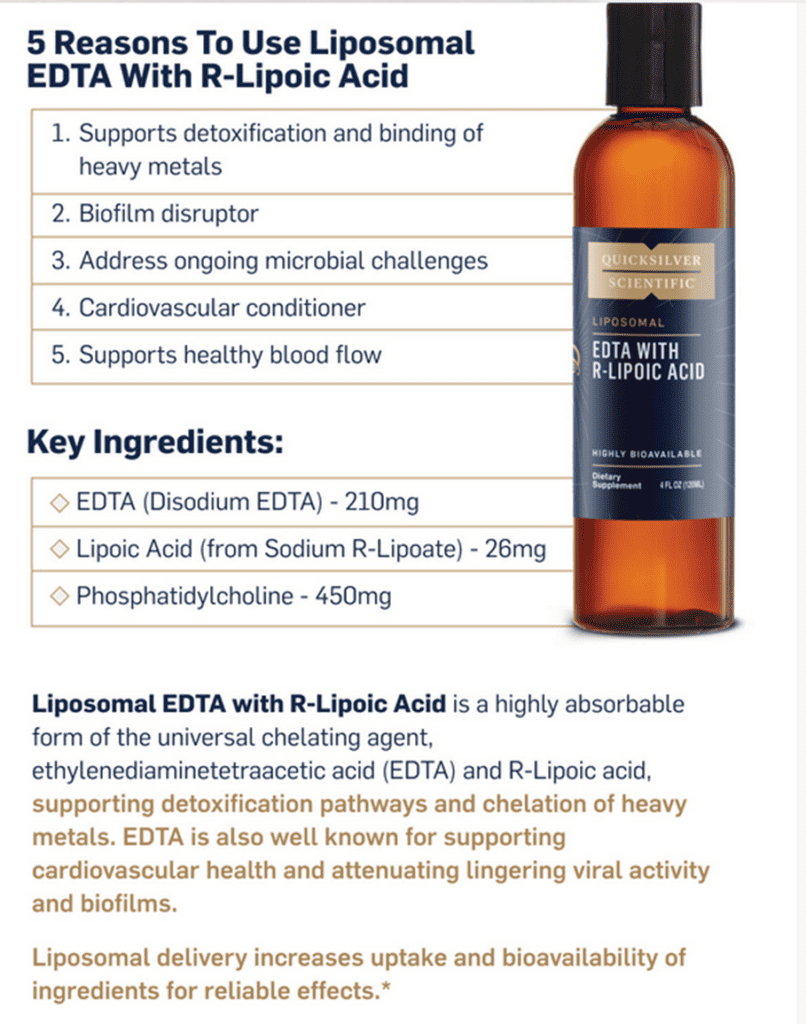
And Lyme is not a rare disease at all.   The CDC estimates that 3-400,000 new cases of Lyme are contracted per year, with some data suggesting that a more likely number is 1,000,000 cases per year.  And it is not found in specific regions of the country.  Every state in the US has Lyme and it is now a new epidemic!  It may likely be the most common vector-borne disease in the US…more common now than breast cancer. 

Lyme Disease - The Great Masquerader

 
Notice how rapidly Lyme spread in just 13 years.  And now this map is already 10 years out of date

Another problem related to testing has to do with the number of Borrelia species known to exist – at least 100 in the US and more than 300 worldwide.  But many labs only test for what is considered the most common species – Borrelia burgdorferi, hardly adequate with so many other species around.  

In addition, the Lyme organism, Borrelia, is nearly always accompanied with other co-infections which, again, are commonly missed because they are not being tested.    But some of the co-infections can cause symptoms at least as debilitating as Borrelia.

Three Forms of the Lyme Organism

There are actually 3 different forms of Lyme bacteria/spirochete.  And it is a result of these three forms that this organism becomes a “persister” bug in the human body mimicking many other diseases and being very difficult to eradicate.  These three forms are the Spirochete or spiral form (great for burrowing into tissues), the cell wall deficient form (or L form) and the cyst form.    The bacteria, when stressed with antibiotics or by the immune system, will form cysts as a protective form.  


However, the cell wall deficient form is much more difficult to treat because it will actually turn off the immune activity operating inside the cell and then go into the cell and hide as long as necessary.  The more of the co-infections and viruses one is harboring, the more ill one will generally be.

When the Lyme Borrelia and the co-infectious organisms along with other viruses enter the mitochondria of the cell, they damage the machinery that produces cellular energy.  The net effect is serious fatigue both in the body and brain. 

Chronic or persistent Lyme disease is becoming increasingly common and problematic. Among the small number of pathogens capable of persisting despite sophisticated host immune responses, the Borrelia spirochete gets special recognition because researchers still have not been able to elucidate the mechanisms that sustain its long-term survival. What we do know is that the spirochete has several remarkable abilities to adapt, which include:

  • The ability to hide within cells of certain tissues during or between stages of disease
  • The ability of Borrelia to change its morphology in response to varying environmental conditions including many antibiotics
  • Formation of a biofilm that enables Borrelia to be more resilient to stress and our immune system challenges
  • Suppression of host immune response

So, what does this mean? It means that when antibiotics are used to treat persistent infections like the Lyme organisms, we likely end up with highly persistent mutants. This is a separate phenomenon from antibiotic resistance, and it has become increasingly clear that traditional antibiotic treatments for chronic Lyme are not enough to eliminate these menacing microbes. 

But let me stress one very important point.  The best treatment for Lyme or coinfections when you have an acute disease with a recent insect bite and the symptoms are present, testing is likely to be positive and the best treatment is antibiotics.  If, however, the bite was weeks, months or years ago (or you never remember there being a tick or insect bite of any kind), the traditional use of antibiotics will likely NOT be successful.    The organisms will have already set up brilliant ways of evading the immune system and any antibiotics used.

For many practitioners when the classic symptoms are present, they are ready to jump in and attack these terrifying bugs.  But it is so unwise to go and start an attack on the bugs regardless of whether done conventionally or with alternative approaches.  The whole-body terrain must ideally be considered prior to dealing with the Lyme spirochete and the co-infections.  The body terrain along with the intestinal tract and its microbiome, the type of foods consumed, toxic chemicals entering the body and the organs of detoxification (liver, gall bladder, lymph, kidney).  

So, should you recognize in you or a family member the typical symptoms of Lyme with which you or they might be encumbered, find a practitioner to assist you in your healing journey.   True, it is not a quick treatment.  It can take several months at best, but without treatment the pain and cognitive symptoms along with the terrible fatigue will not go away.  Having had many patients suffering with this awful disease, I know this is true. 

Please call me if you have any questions.  I am more than happy to be of whatever help I can.  

Dr. Trubey

Toxic Metals – the poison everyone has

Toxic Metals - the poison everyone has

Toxic Metals – the poison everyone has

Nutrition & Natural Healing Center

Dr. Roger Trubey, Dr.PH, MPH, and Doctor of Integrative Medicine 6320 Oak Hollow Dr. Burleson, TX 76028

Call 501-538-4944

Toxic Metals… The Poison Everyone Has

Some time ago I reviewed several dozen evaluations I had done for toxic, heavy metals on my patients.  It was very disturbing!  100% had heavy metals being excreted in the urine.  But 80% had elevated levels of these elements.  The most common metal excreted in my patient group was aluminum and lead.  But I am also seeing lots of mercury and cadmium as well, some barium, arsenic, and occasionally a few others.  Some of the levels of lead have been nearly off the charts with initial excretion levels of eight, twelve and even twenty times acceptable levels.  And to me this is unacceptable if one is to have long-term good health.  There is no compatibility between seriously elevated levels of these metal poisons and a healthy body.   We have to eliminate these from bodies, but before we look at the specifics on that, we need to look at how they get inside of us in the first place.  We’ll look at the two most common – lead and mercury.

According to the EPA, lead is rarely found in source water, but enters tap water through corrosion of plumbing materials. Homes built before 1986 are more likely to have lead pipes, fixtures and solder. However, new homes are also at risk, because even legally “lead-free” plumbing may contain up to 8 percent lead.  It has been estimated that 20% of the city water in Washington, DC may be contaminated with lead, pushing the government to provide free water filters for residents.   In addition leaded gasoline was used for decades and much of the lead from auto exhaust still resides in the soil.  In fact lead is generally considered the most common contaminant of soils and because organic mater will bind and hold it, it is likely that lead is a permanent resident.   

Mercury sources are fairly well known.  These include dental amalgams, seafood, in utero from mother to fetus, vaccinations and then industrial and environmental sources.  Volcanic eruptions and hundreds of ocean vents produce natural sources of mercury into our environment.  Some industrial sources have declined, such as lead in gasoline, but what are we to think of the long-term impact of these “curly cue” light bulbs replacing the incandescent bulbs that are still around.  These new light bulbs, now mandated by the federal government to replace our long-used incandescent bulbs, contain mercury and mercury in its worst form – mercury vapor.  Is this not governmental schizophrenia?  And water isn’t the only item we regularly consume that may contain heavy metals – some wines and cheap supplements are also tainted with these poisons.  And every antiperspirant contains aluminum and it does get into the body.  

We must take body loads of these metal toxins like mercury and lead very seriously.   Several years ago the medical journal Circulation published a study on lead and its relation to Heart attack.  They tracked nearly 14,000 adults for 12 years.  The researchers determined that when these individuals had even mildly elevated blood levels they were at increased risk for heart disease by 55%, heart attack by 151%, and stroke by 89%.1 

Another study followed 837 men for 10 years and found that these men with increased bone (for which lead has a strong affinity) and blood levels of lead, to be at increased risk for ischemic heart disease.2

Then in 2006 Science Daily reported on a study by the University of Rochester Medical Center on individuals who are routinely exposed to lead on the job.  They found that these individuals are 50% more likely to die of brain cancer.  And not surprisingly, lead in other studies has been linked to high blood pressure, kidney failure and autism.3

One would think with these “tip of the iceberg” studies, that physicians would be evaluating a good many of their chronically ill patients for heavy metal toxicity.  But it is a very rare physician who does this testing.  Strange indeed, but In fact, it rarely even makes the news. 

But consider mercury as well.  With the growing number of studies and reports, mercury toxicity is clearly getting more alarming every year.  When 300 streams across the U.S. were recently tested, 100% of the fish were found to be contaminated with mercury.4   Mercury has been linked to several autoimmune diseases including arthritis, Lupus and Crohn’s disease.5 Like lead, mercury will accumulate in the bone, but will also find its way into the heart causing cardiovascular disease.   And because of its lipophilic (fat loving) nature, it will accumulate in the brain and the nervous system where it will produce neurological damage and functional deterioration.6,7   Understand then that any neurological disease may have a toxic metal component and more than likely will.

We remember the saying “mad as a hatter” as coming from Madcap Milliner in Lewis Carroll’s classic children’s book, Alice in Wonderland. But the actual origin of the saying relates to a disease peculiar to the hat making industry in the 1800s. Mercury was commonly used in the process of turning fur into felt, a process which caused this highly toxic metal, to contaminate many of the hat makers.  These symptoms included trembling (known as “hatters’ shakes”), loss of coordination, slurring speech, loosening of teeth, memory loss, depression, irritability and anxiety, what we now call the “The Mad Hatter Syndrome.” We get mercury today from different sources, like the burning of coal and leaching out of amalgam dental fillings, but the effect in some people is the same.

What are we to make of the seriousness of the data where hundreds of studies on toxic metals are now linked to a huge list of symptoms?   Almost unbelievably, it hardly draws a yawn from the medical profession and even an outright fight against amalgam removal by the dental profession!  Individuals will have to do, just what they have been doing for about the last 20 +years – becoming more proactive on their own and seeking solutions outside their physician’s office.  But to do that, they need answers, so let me suggest some of the natural resources individuals can use to remove heavy metals from their bodies.  But first, it is important to note some information from Dr. Boyd Haley, of the University of Kentucky, who has researched the damaging effects of mercury and other toxic metals for many years.  His website reports on data showing that heavy metals have a synergistic effect. In other words, there is a magnifying effect when one is polluted by both mercury and lead.  

Not long ago patient of mine was found to have elevated levels of mercury and cadmium and seriously elevated levels of lead.  She considered the need to eliminate these metals for 3 months but was concerned if it might cause some problems for her kidneys.   But waiting didn’t help; she had a major heart attack and within a week, so very sadly, passed away.

So what can we do?  First, it is a good idea to improve your health and particularly the function of your gut to better facilitate detoxification.  You may need to add some healthy fats and antioxidants and other nutrients.  Decreasing food allergens would be a great help along with digestive enzymes and the addition of friendly bacteria.  You will do yourself a great service to support your liver’s capacity to detoxify as well.  B complex vitamins, along with broccoli and other greens as well as the herb, milk thistle, will be excellent support for this most important organ for detoxification.   

Second, find a practitioner to give you a heavy metal challenge test.   A hair analysis might work, but low levels in the hair are not necessarily an accurate representation of total body load.  

So, find a practitioner to do a challenge test using any one of several chelators like DMPS, DMSA or EDTA.  Chelators are substances that bind heavy metals.  They are used in the process of chelation which is simply the process of removing toxic/heavy metals from the body by chelating agents which have a naturally strong affinity for heavy metals.   EDTA is now available as a convenient suppository or as a liposomal oral agent and is an excellent binder of these toxic metals.   And remember, blood testing for heavy metals as generally done, is a waste of money.

Third, begin clearing out your heavy metals.  The “heavy hitters” of chelation are generally considered to be EDTA, DMPS, DMSA and these are good chelators, but if these are used you will need to do so through your health care practitioner.  But if you do not have access to a practitioner using any of these, there is no need to despair.  There are lots of great foods and supplements that will act as excellent binders of noxious metals.   Here are some safe and effective modalities.  It may take a little longer in some cases, but they will cleanse your body.  If you want to really get to work on these toxic metals, I think the best recommendation is to use Liposomal oral EDTA .  It is much less expensive than doing IV chelation.  It is slightly less potent but for the difference in the price and ease of use, it is my recommendation.

Great food choices include Garlic, Cilantro, and Chlorella.  Garlic is loaded with sulfur and selenium,   both of which are great binders of metals.   Not much more than a teaspoon each day of cilantro will work exceptionally well.  Otherwise use these kitchen herbs at every available opportunity.   Chlorella is an algae and has natural properties that absorb metals.  

For supplement choices you can start with NDF (from the BioRay Company).  To generalize NDF, it is cilantro and chlorella “on steroids”.  Metal Free (by Bodyhealth) is similar, it does have more in its ingredient list but is also more expensive.  Both are superior products in their ability to purge the body of toxic metals.  

But don’t forget common “ordinary” vitamin C.  This vitamin is a precursor to glutathione, the most important intracellular antioxidant.   Actually, my choice for both of these nutrients is lyposomal vitamin C and lyposomal glutathione.  These nutrients are surrounded by phosphatidylcholine, the substance that is the structural material in every cell wall.  As a result, these nutrients are nearly 100% absorbed and will effectively improve cell function while eliminating heavy metals.  Some consider these lypospheric, oral forms to be as effective as the intravenous route.

Here are some nutrients that you can pick up at most any health food store:

  • NAC (N-Acetyl-Cysteine).   Cysteine is a sulfur containing amino acid and in itself is a great detoxifier but additionally, it is a necessary precursor to glutathione.
  • Modified Citrus Pectin is made from pith and rinds of citrus fruits.  Its molecular structure enables it to attract positively charged heavy metals and other toxins as well.  
  • Alginates, generally in the form of sodium alginate, from seaweed or brown algae, have a long history of use as a metal detoxifier including its use after the Chernobyl disaster.  It is especially effective in removing metals from the gut.
  • MSM (Methyl-Sulfonyl-Methane) has the sulfur molecule in the middle of it and as such effectively pulls out our toxic metals.

Here are a few other tips “to get the lead out”:

  • Sauna therapy will not only induce the excretion of metals through sweat but also toxic chemicals as well.  The most effective sauna to do this is an infrared sauna. 
  • Test your water for toxic metals or even excess number of metals like copper or iron which in excess is not safe.  The alternative is to get a good water filter.  An inexpensive but effective one is a carbon block filter that removes lead, chlorine and other toxic compounds.
  • It may be questionable as to how much consumed fish will contribute to the body level of mercury.   Fish is loaded with selenium which effectively binds mercury.  But it will be safest to use only wild Alaskan Salmon and other fish known to be low in, or free of mercury.  Avoid all the large ocean fish like swordfish, tuna, tilefish, etc.
  • While detoxifying be sure to use plenty of water to facilitate their removal.
  • Some of the most potent metal chelators like DMPS, DMSA and EDTA will likely not cross the blood-brain barrier.  Most of the other nutrients will.  So if you use EDTA, for instance, and you have effectively removed heavy metals from your body, you may still need to remove them from the brain and nervous system.  At this point you can use NDF or add Alpha Lipoic Acid.  These will effectively cross the blood-brain barrier.  I prefer this method personally even when symptoms suggest the brain is clearly in need of detoxification.

You should take note of two other points.  First, if you are toxic or have chronic illness already, be very cautious about the removal of these toxic metals.  You would be well advised to consult with a health care practitioner, who is well experienced in the removal of heavy metals.  Otherwise, go slow.  

Second, if you have silver-mercury fillings in your mouth, consult with a good biological dentist to have them removed.  I would strongly recommend against using just any dentist; look for one if you can, that belongs to the American Academy of Biological Dentistry and Medicine (www.iabdm.org).  It will be worth it as they need to be removed correctly.  And once again, if you are sick, toxic or have a chronic illness you probably need to improve your health first, prior to getting your amalgams removed.

If you want to achieve good health, take these steps to rid your body of these toxic, health destroying metals.  You will be very glad you did and perhaps some of your loved ones will as well. 


  1. Blood lead below .48 micromol/L (10 microg/dl) and mortality among US adults Circulation (2006)114(13):1388-94
  2. Environ Health Perspective – 2007 June; 115(6): 871-5
  3. University of Rochester Medical Center. “Study Links Lead Exposure To Brain Cancer In Adults.” ScienceDaily 29 August 2006. 9 February 2011 http://www.sciencedaily.com /releases/2006/08/060828211626.htm.
  4. “Mercury Tainted Fish Found Widely in U.S. Streams” Reuters. www.reuters.com/article/idustre57j01720090820 March 2010
  5. “Environmental Chemicals and Autoimmune Disease: Cause and Effect”, Toxicology, (2002) December, 181-182:65-70 
  6. “Accumulated evidence on fish consumption and coronary heart disease mortality: a meta-analysis of cohort studies”, Circulation (2004) June 8; 109(22):2705-11
  7. Methylmercury Exposure and Adverse Cardiovascular Effects in Faroese Whaling Men” Environmental Health Perspectives (2009) 117(3) 367-372

Toxic Metals - the poison everyone has

This supplement is available at Fullscript:

Supplement Resources: https://us.fullscript.com/welcome/rtrubeyFull disclosure – I do benefit financially when you place an order from Fullscript, and I appreciate it when you do, but please do not feel you are under any obligation whatsoever

More Nutritional Articles

Depression? – There is Reason to be Hopeful

Depression? - There is Reason to be Hopeful

Depression?  There is Reason to be Hopeful

Arkansas Nutrition and Natural Healing

Dr. Roger Trubey, Dr.PH, MPH, and Doctor of Integrative Medicine 362 Unger Trail, Mountain Home, Arkansas 72653

Call 501-538-4944

Anyone who has suffered with chronic depression knows all too well how terribly painful an experience it is.  A few find answers, most don’t.  Those who don’t, understand the maxim, “the death of hope leads to the hope for death.”

But is there any reason to be very hopeful?  

For more than 3 ½ decades, with the approval of Prozac, chronic depression has unquestionably been linked to inadequate levels of neurotransmitters (serotonin, dopamine etc.), due to damaged neuron bundles in the brain that regulate and prevent depression.  But unfortunately, there are over 1100 known neurotoxins, whose damage to these neurons is cumulative over a lifetime.  

Perhaps this is why standard drug therapy for depression, including reuptake inhibitors like Prozac™, Zoloft™, etc. is not found in seniors to be any more effective than a placebo.  But hardly any more impressive is that several studies of adults have revealed a startling fact.  Reuptake inhibitors as a class of drugs provided relief of depression not much better than a placebo.  The Journal of the American Medical Association concluded that the benefit of antidepressant medication compared to a placebo, in mild to moderate depression, may be on average, minimal to nonexistent.  Newsweek magazine concluded that scientists are beginning to see these drugs as expensive Tic Tacs.

Here is the painful truth:

Doctors write more than 250 million prescriptions for SSRIs like Prozac, Zoloft, and Paxil every year.
When researchers looked at 38 clinical trials covering 3,000 depressed patients on these drugs, they found that 75% of mood improvement came from the drugs’ placebo effect. ( Kirsch I. “Antidepressants and the placebo effect.” Z Psychol. 2014; 222(3): 128–134.)

In a systematic review published in Molecular Psychiatry July 20, 2022:4

“The serotonin hypothesis of depression is still influential. We aimed to synthesize and evaluate evidence on whether depression is associated with lowered serotonin concentration or activity in a systematic umbrella review of the principal relevant areas of research …

17 studies were included: 12 systematic reviews and meta-analyses, 1 collaborative meta-analysis, 1 meta-analysis of large cohort studies, 1 systematic review and narrative synthesis, 1 genetic association study and 1 umbrella review …

Two meta-analyses of overlapping studies examining the serotonin metabolite, 5-HIAA, showed no association with depression … One meta-analysis of cohort studies of plasma serotonin showed no relationship with depression Dr. Joanna Moncrieff, professor of Critical and Social Psychiatry at University College London

 Dr. Moncrieff is the lead author of the serotonin paper. ‘This idea that they work by targeting the underlying biological mechanisms that produce the symptoms of mental disorders is actually not supported by evidence for any type of mental disorder, whether that’s depression or schizophrenia or whatever,’ she told Newsweek.

Instead, she argues, the drugs change ‘normal brain states’ and ‘normal mental states and processes’ in ways not that much different than recreational drugs like alcohol.”  The paper’s co-authors … call for a fundamental reassessment of how mental illness is treated. ‘We have a mistaken view of what psychiatric drugs are doing,’

Dr. Moncrieff concludes, “I think we can safely say that after a vast amount of research conducted over several decades, there is no convincing evidence that depression is caused by serotonin abnormalities, particularly by lower levels or reduced activity of serotonin” 

So, if we are to be hopeful at all, it will not come from drugs which never increase the number of neurotransmitters, but from a more comprehensive understanding of what is actually taking place in the brain of those having to suffer the effects of this illness.

It is now well known that for nearly all doctors practicing functional medicine the underlying cause of depression is inflammation.  And this is also true for anxiety, brain fog, and all the more serious cognitive disorders, including dementia, Parkinson’s disease, Alzheimer’s disease among the more common disorders.

The brain is having to cope with a variety of very pro-inflammatory compounds – IL6, TH17, IL1, and individuals with depression are loaded with these and other pro-inflammatory cytokines, including TNF-α, IL-1β, IL-8, IL-18 and CRP.  When these are running wild in the brain, damaging brain cells, it is not possible to be cognitively well.  


When these damaging cytokines interfere with neurotransmitter synthesis and metabolism and interrupt neuroendocrine function, the problem is not the neurotransmitters but the inflammation that disrupts their proper function, which is likely why the standard antidepressant drugs have such little benefit.


So, the hope in depression is to discover the source of the inflammation.  There are a number of culprits that would be considered underlying factors leading to depression.  Here are a number of them, but not necessarily all of them that should be considered.

  • Hypothyroid disease
  • Oral contraceptives and hormone dysfunction 
  • Blood sugar dysregulation and obesity
  • DNA/Genetic mutations
  • Chronic infections
  • A damaged and leaky gut
  • Emotional trauma
  • Autoimmune disease
  • Sleep deprivation and sedentary lifestyle 
  • Environmental factors, including – indoor mold exposure, toxic chemicals, EMF sensitivity, toxic metals
  • Multiple nutrient deficiencies from the Standard American Diet (SAD diet)

On that last bullet point Functional Psychiatrist, Dr. Jame Greenblatt has this to say:

Over the last decade, scientific research has clearly established a relationship between malnutrition and brain function across every major psychiatric illness, from depression, ADHD, and schizophrenia, to eating disorders, anxiety, and dementia. Evidence confirms clear associations between nutritional imbalances in the body, and the prevalence and severity of mental illness and symptoms. Traditional psychiatry treatment for mental illness, however, fails to recognize and address nutritional imbalances as factors in mental illness.


Of course, there is likely a number of others that could be added to the list above, but the important need is to discover the primary factors and then to correct them. In working with patients, I go into the above in more detail as we unravel the ones most likely affecting the patient I am seeing. 

And there are usually one or more assessments that I find helpful to give me a much clearer indication of the factors that are provoking inflammation in those who are dealing with this very troubling illness. These objective measurements provide valid, scientific reasons for inflammation and cognitive dysfunction that have been woefully neglected in past approaches. By recognizing and treating each person’s unique internal imbalances and biochemistry, outcomes can be dramatically improved.

 If you would like to discover the specific areas of concern that are the root drivers of your inflammation, give me a call and make an appointment so we, together, can find the path of healing that you seek so that you can really enjoy life again.

There is hope for depression; it does not have to be a lifetime of agony. 


“For I know the plans I have for you, declares the LORD, plans to prosper you and not to harm you, plans to give you hope and a future.” -Jer. 29:11

VedaPulse

VedaPulse

More Nutritional Articles

VedaPulse – Discovering Organ and Systems Health by Analyzing your Beating Heart

 Heart Rate Variability and Pulse Analysis -A Marriage of Eastern and Western Medicine

Arkansas Nutrition and Natural Healing

Dr. Roger Trubey, Dr.PH, MPH, and Doctor of Integrative Medicine 362 Unger Trail, Mountain Home, Arkansas 72653

Call 501-538-4944


Heart Rate Variability, HRV, is the variation in the time interval between one heartbeat and the next.  People will say their heart rate is 75 or 64 or 82 beats per minute.  But in fact there is, or at least should be some variation in the rhythm of the beating heart, so that when you inhale, your heart rate actually speeds up and when you exhale it slows down.  You are likely not able to sense or feel the difference but it does take place.

While one would think that a steady, unvarying heart rhythm would be something we would want to have, it is just not the case.  The heart continually oscillates between acceleration and deceleration in a tug-of-war within the autonomic nervous system, controlled by two “pacemakers” in the heart that creates the heart’s rhythms. So there should be no fixed heart rate.  In fact, it has been repeatedly shown that the more rigid and unchanging the heart rate, the more stress of some type is in our system and one is at greater risk for health problems of any type.


VedaPulse

What Causes the Variableness of our Heart Rate?

Our thoughts, emotions, and experiences of the external world are tightly connected to the functioning of our nervous system, heart rhythm and breathing.  When in a stressful moment our heart speeds up.  When our body is under the stress of an infection it will again be at a faster rate but not necessarily have a better variability and more often than not it will have less variability.   Think of what your heart was doing on your first date, prom night, at your wedding or when going into a meeting with the IRS.  It was naturally responding to a stress.  A healthy heart responds to the demands of the organism; it doesn’t follow preordained intervals and the more flexible we are, the more capable we are of dealing with life’s inevitable stressors and the better our HRV.  This flexibility, or lack of it, is tightly correlated to our autonomic nervous system which is in turn reflected in our heart rhythm and then visualized with the test.

The Autonomic Nervous System

VedaPulse


The autonomic nervous system is the “automatic” nervous system: that part of the nervous system that is not under conscious control. It controls the organs and systems of the body that are rhythmic, regular and automatic such as breathing, digestion, infection fighting and heart rate. There are two branches of the autonomic nervous system: sympathetic and parasympathetic. These two branches work to keep the organs they control in perfect balance.


The Sympathetic Nervous System is that part of the ANS that produces our “fight or flight” response.  In a word it is responsible for our survival.  In so doing it shuts down digestion and funnels blood and energy to our large muscles to prepare us for attack or escape – i.e. survival and self-preservation.    Chronic over-stimulation of our sympathetic nervous system will eventually lead to multiple health problems and low variability of the heart rate.

The Parasympathetic Nervous System is often referred to as the “rest and digest” part of the ANS.  This part of the ANS decreases the heart rate, improves digestive function and generally allows for repair of our tissues and organs.  When the sympathetic system dominates, repair is difficult and our organs and systems go into disrepair at a much faster rate.

Thus we can see that a greater variability (or good HRV) correlates with better health, a healthy autonomic nervous system, an inherent self-regulatory capacity, along with adaptability and resilience.   And in particular we have a healthy balance between the sympathetic and parasympathetic systems.  A decreased HRV is an early, accurate indicator that the autonomic nervous system is out of balance. The lower the HRV (the lower the variability), the greater the imbalance in autonomic control and the greater the likelihood of poor health, both now and in the future.  Therein lays the beauty of HRV:  It offers a glimpse into the autonomic system, an aspect of our physiology normally shrouded in mystery.

And yes, it is possible to have too much variability or an excessively high HRV.  That is really instability and we would call that arrhythmia, which is chaotic and very detrimental to normal physiological functioning and energy utilization.

Scientifically Based

HRV was first used clinically in 1965 when researchers concluded that fetal distress was accompanied by changes in beat to beat variation in the fetal heart, well before they could see detectable changes in the heart rate.  The scientific data base is rather voluminous at this point with nearly 12,000 scientific articles published in the English language alone.  Even the National Institutes of Health (NIH) has funded many studies on HRV in evaluating it as a biomarker for evaluating health and one’s disease potential.

Even the American Heart Association in a study they published in 2000 found that decreased heart rate variability was associated with a higher risk of death in patients with heart disease and in the elderly and an increased risk of coronary heart disease in the general population.  But other studies have shown that the risk is not limited to just the heart.  There is increased risk for a number of other disease states just as our ANS affects every system and organ of the body. But the opposite is also true among the elderly; a high HRV is strongly associated with “healthy longevity”.

What Causes a Decreased HRV?

Not-so-optimal heart rate variability may due to multiple factors.  It can be from general factors like age, gender or weight, but it can also be from stress at home or work environments or disease states.  Even for some, environmental factors, like mold exposure, the weather, Wi-Fi, or electromagnetic storms can play an unsuspecting role.  And one does not have to be stuck with a lousy HRV; it can be changed.


Besides changing or adapting better to those environmental and stress factors, improvement can also come from treating those disease conditions along with using biofeedback, meditation, learning proper breathing and just learning to relax.


More than just HRV

It is important to fully understand that while HRV is a wonderfully valuable tool in and of itself, the VedaPulse is more than just HRV.  The developer, Dr. Oleg V. Sorokin along with his team, took the HRV one step further and married the device to the ancient science of Pulse Analysis.  Pulse analysis has been a part of Traditional Chinese Medicine (TCM) and the Ayurvedic system of medicine, from India, for hundreds of years.


Pulse Analysis is performed by a well-trained TCM doctor or doctor of Ayurvedic Medicine.   His or her fingers are placed on the wrist(s) of the patient where they feel for the subtle signals from the patient’s pulse.  From pulse analysis, an experienced doctor can determine not only whether the patient is well or ill, but also determine the patient’s relative health situation from the perfectly-good-health to critically-ill-health spectrum, as well as the part(s) of the body and the bodily organ(s) that may be experiencing abnormalities. This is the reason that the first thing that doctors of these traditions do in examining a patient is to perform a pulse analysis.  It is likely that the first analysis developed by humans was Pulse Analysis.


In the Eastern approach to health assessment, unlike Western Medicine, there is no diagnosis made.  The individual’s constitutional type is assessed and then the underlying syndrome, connected to the distress in specific systems or organs is determined.  The VedaPulse assessment is able to define the constitutional type and from that it further determines the organs that are weak and need of support as well as organs that are mildly to highly stressed.  From that determination, specific recommendations for herbs and essential oils are made, along with specific foods to use and foods to avoid.


To make this possible, Dr. Sorokin and his team found a way to described complex concepts of pulse analysis in mathematical language.  In so doing, the VedaPulse can estimate the energy level of the 12 systems below. Red color will indicate tension (excess stress in the organ), those organs in yellow will indicate debilitation of energy (syndrome of weakness); orange colored organs reveal light tension.   Light green in the organs suggest slight debilitation and green color indicates a normal functioning organ.  The 12 organs/systems evaluated by the VedaPulse include:


With few exceptions the VedaPulse is performed on every new patient that I see and provides some extremely valuable insights on where the stresses are in the system and where we find weakness as well.


The 12 organs Evaluated by

The VedaPulse:

  1. Lungs
  2. Colon
  3. Stomach
  4. Spleen
  5. Heart
  6. Small intestine
  7. Urinary bladder
  8. Kidney
  9. Pericardium
  10. Triple heater
  11. Gall bladder
  12. Liver
VedaPulse


In this example #3, the stomach is highly stressed while #4, the spleen and #10, the Triple Heater (endocrine organs) are very weak


We also will see a measure of the level of health, the level of our stress and our ability to adapt to the stressors in our life.  But we also like to know how fast we are aging in dealing with our life stresses.  The VedaPulse provides this information to us as well.

VedaPulse

Initial Evaluation – What to Expect

Initial Evaluation - What to Expect


Initial Evaluation – What to Expect


Arkansas Nutrition and Natural Healing

Dr. Roger Trubey, Dr.PH, MPH, and Doctor of Integrative Medicine 362 Unger Trail, Mountain Home, Arkansas 72653

Call 501-538-4944

I often find that many new patients have never been to a Naturopathic Doctor previously.

Some have always used natural remedies that they learned from mom or dad or they just knew intuitively that it was the best place to start.  Others, having used a more traditional route with conventional doctors, came to see me because their chronic issue(s) was/were not being resolved.

I always start with a thorough history.

So I always ask “what is your primary health concern?”   Sometimes it is only one concern but often it can be three or four.   What is important to you is very important to me so I want to know as much about your problem(s) as you can provide.  I want to know how long you have had symptoms, how long ago you were given a diagnosis (if you were given one) and I want to know what makes the problem better or what makes it worse.  It is important for me to know if there was some event in your life that preceded the onset of symptoms.  Was there an illness, like a flu that preceded the onset of symptoms, or did it begin with a travel event, auto accident, or a major stress of some type.  These are clues that may be useful in determining the underlying cause(s).

The underlying cause or causes is far more important than having a diagnosis and most patients do recognize this.

Sometimes the event that started the problem was only a trigger for a deeper underlying cause – like a serious cold or flu that awakens a dormant, but more serious chronic infection.  Or an automobile accident that weakens the immune system and awakens a smoldering and chronic infection to a more significant level of activity.

We can take a pain reliever for a headache and while it may relieve the pain, aspirin or Tylenol deficiency is not the cause of the headache.  I want to know what that cause is.  Sometimes the underlying cause was not the precipitating cause and I need all this information to try to distinguish the two.

The problem most patients have with chronic disease today is that in conventional medicine, the underlying reasons for the disease is never really assessed.  Chronic viruses, the Lyme spirochete, mold toxins, food sensitivities, gluten, chemicals, pesticides, herbicides, damaged or leaky gut, parasites, adrenal and mitochondrial dysfunction and much more are, for the most part, ignored, or worse, scoffed at and ridiculed.  But today, all chronic diseases have one or more of these underlying factors and they must be uncovered if we are to get long-term relief of chronic illness.  The body always wants to heal but it is generally necessary to remove some blocking agents to allow the body to accomplish its goal.

I also want to know what you are eating and drinking during a typical day.

This will provide further clues so that I can give you the best possible advice to improve your health.

I will also ask about dental interventions.  I want to know if you have had any root canals, dental restorations and the materials used.  I will want to find out if your gums bleed or if you have periodontal disease.  What happens in your mouth has a great deal to do with the health of your body.   All of our teeth (or spaces where a tooth was) are on a specific acupuncture meridian and connected directly with specific organs of the body.   Any inflammation, dental material, or infection can have a potentially toxic influence in a tissue far away from that tooth.

You will be asked about supplements you take and any prescription drugs you are using. 

It is not unusual for some of the symptoms patients are complaining of to be the same as the side-effects of the drugs they are using.

And, as you could guess, I do want to know what stresses you may have in your life and how much of a stress these are, how long you have been dealing with them and if you are having trouble coping with them, when you expect any resolution, if at all.

I have all patients complete a detailed information questionnaire that will ask about many areas for which you may or may not have symptoms.   I will send this to you in advance so that you can complete it at your own pace prior to our appointment.

If you have had any lab work completed in the last year or two, I encourage you send it to me before this this first evaluation and I will review it with you. 

I often find key blood parameters that are missing or ones that were abnormal and the patient was never told that it was a potential problem.  Knowing this previous data is very helpful to me in evaluating any changes in a particular parameter over time that is in need of attention.

Much of our health is determined by our start in life.  Yes, our genetics will play a role and while we can’t change our genes, we can control how they are expressed and that is the epi-genetics.  Epi-genetic factors are those nutritional, environmental and even emotional factors that will determine if a gene is expressed on not.  So, having a gene variant for breast cancer does not mean that it has to be expressed.   There are generally several factors that are working to inhibit the expression of a gene and likewise others working to express a gene.  So eating a lousy diet, not getting any healthy sunlight, being a “couch potato” with lots of stress will encourage the expression of that gene.  But likewise a healthy diet with adequate nutrients needed for breast tissue with exercise and a happy outlook can go a long way to prevent the expression of that gene.

So with that in mind, our start in life is very important, so I ask if you were born vaginally or by C-section and if you were breast fed and, in addition, if you were given lots of antibiotics.  These are critical factors in determining the health of our intestinal tract.  You see, changes in our intestinal microbiome can have effects that not only last our lifetime but can be passed on to successive generations.  And a damaged gut is the foundation for the majority of our chronic degenerative diseases.

Finally, I will ask about flu vaccinations, if you have had them, breast augmentation for females, later history of antibiotic use and if you have had an exposure to mold at home or at a place of work.

After I have all this information, I may make recommended changes to your diet and to suggest changes to your nutritional supplements.  I may further suggest life-style changes to improve health outcomes and I will likely recommend specific tests that you should consider to give us a more complete picture of those underlying causes that are preventing you from having the level of health that you desire.   Before I do this I will often ask “Now what would you like for me to do for you?”   This gives me the assurance that I am focusing on exactly what you want to have done for you.  Most of the time patients will leave with a written and detailed plan to guide them in facilitating their health objectives.

Generally, the initial visit will take 1 1/2-2 hours. 

So please plan accordingly.  As a general rule, children can be a partial distraction and I encourage patients, if at all possible, to have this time free from their need for parental or grand-parental attention.

If you have any questions or concerns you need to discuss with me ahead of a potential visit, I am very happy to do so.  Just call me at 501-538-4944

Thank you for your interest in coming to see me, Dr. Roger Trubey